For more than a century, water has been diverted from the St. Mary River into the St. Mary Canal, helping provide irrigation water for the Milk River Project.
Now, the infrastructure responsible for that work is being replaced.
WATCH THE FULL VIDEO:
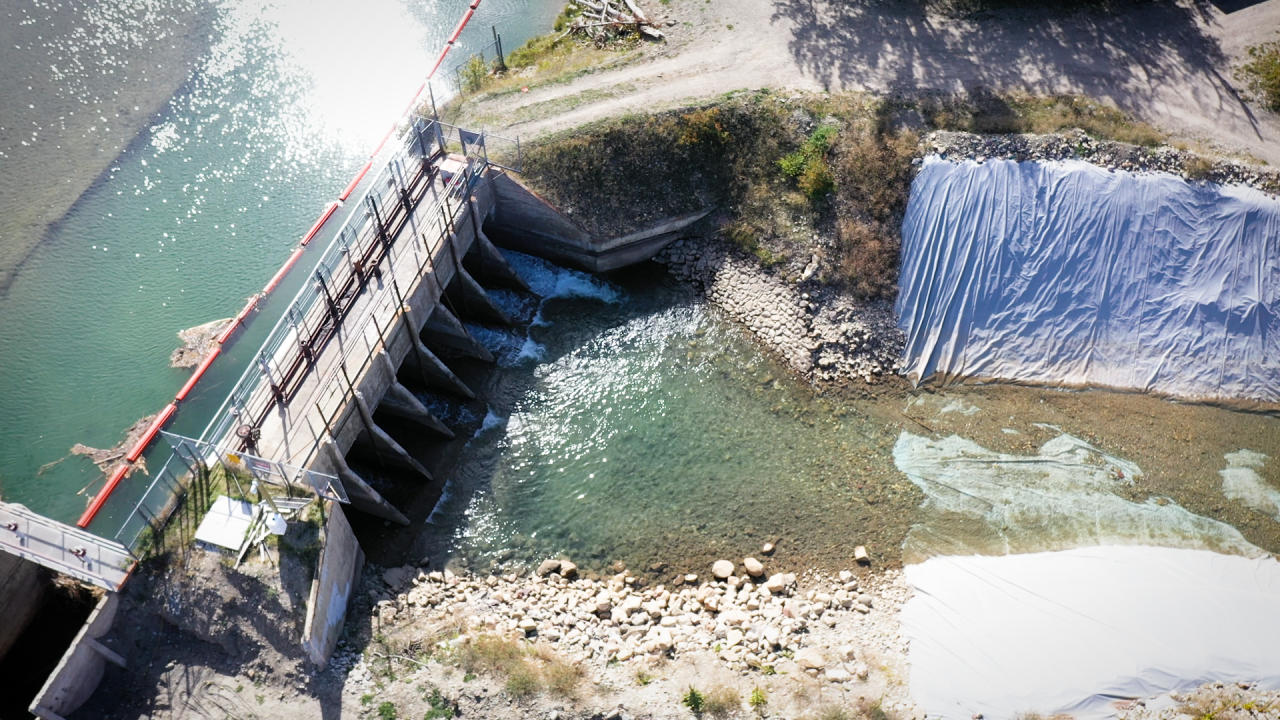
The St. Mary Diversion Dam and Canal were completed in 1915 as part of the Milk River Project in north-central Montana. The diversion dam sits near Babb, about three-quarters of a mile downstream from Lower St. Mary Lake.
The existing structure includes a 198-foot-long, six-foot-high concrete weir and sluiceway that diverts water from the St. Mary River into the St. Mary Canal through a gated headworks structure.
After more than 110 years, much of that infrastructure has deteriorated and is in need of replacement.
During a recent tour of the construction site, engineering inspector Gary Lundberg said crews have made significant progress on the new diversion system.
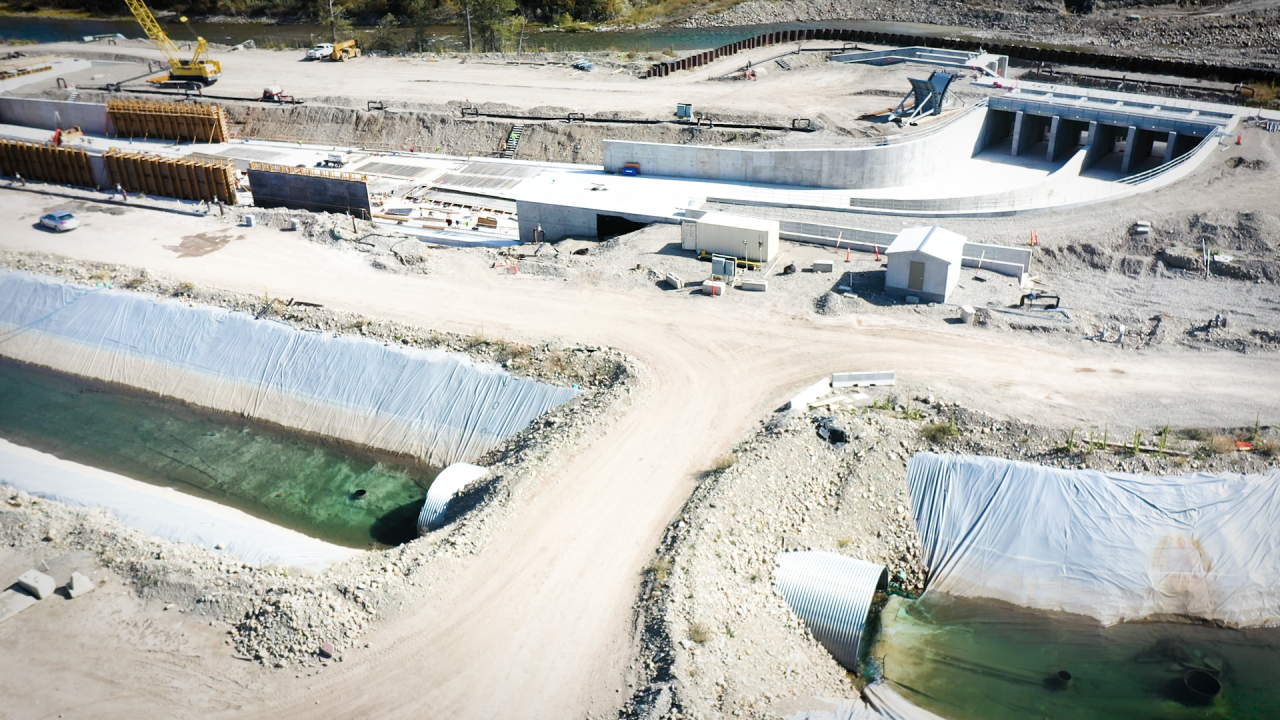
Workers are replacing the aging diversion dam and headworks while also incorporating new infrastructure designed to protect fish.
Keeping water moving while construction continues
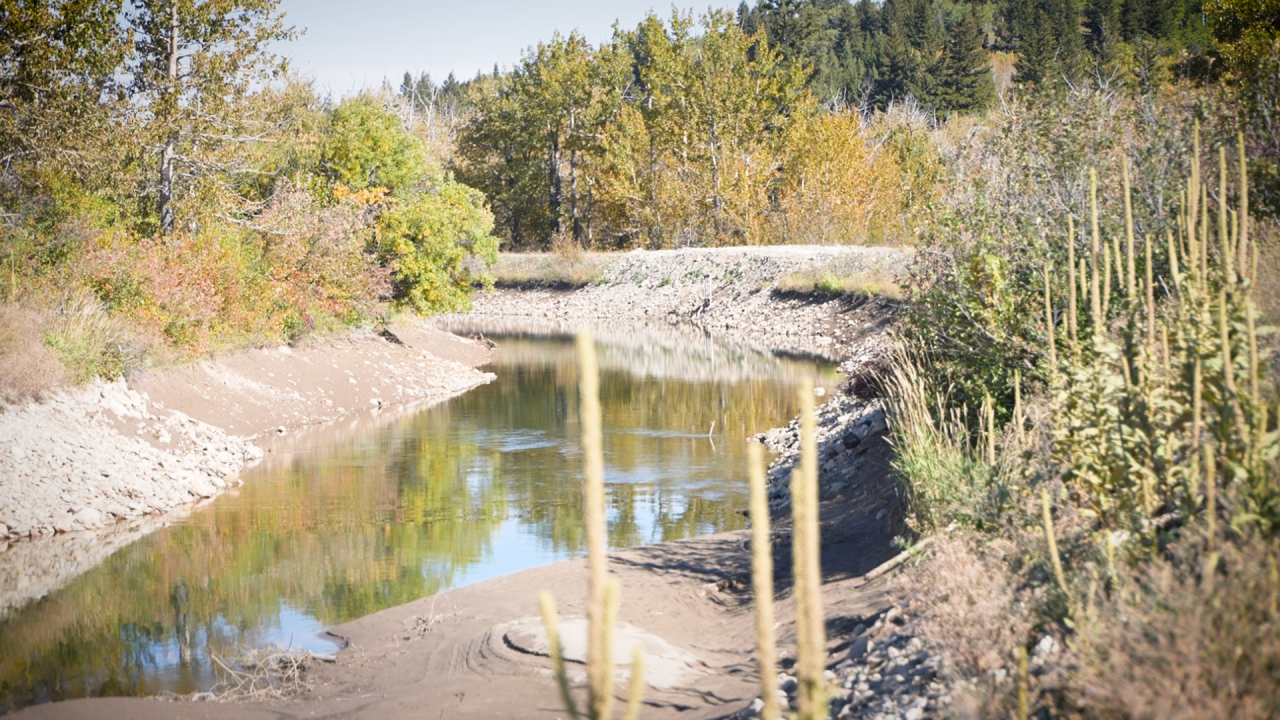
While crews build the new diversion system, water is being routed through a temporary canal next to the construction site.
A major component is the fish protection system.
The fish screen will separate fish from water being diverted into the irrigation canal. Fish will then be directed into a bypass that returns them to the St. Mary River.
“That's where the fish will theoretically return,” Lundberg said. “Go back into the river, and save them. It keeps them from going into the canal.”
Under the existing system, fish can follow diverted water into the canal. When irrigation operations change and water is shut off, fish can become trapped in pools.
Lundberg said the new system is intended to prevent that from happening.
“And the fish will go into the river this way,” he said. “Imagine a big screen that's going to be as high as these walls, going down the center of this raised portion. That's where they're separated out.”
The fish protection features are also part of the project's effort to comply with the Endangered Species Act.
A major federal investment
The replacement project is being funded through federal infrastructure funding.
The Infrastructure Investment and Jobs Act set aside $100 million for facilities that had failed within the previous two years in a way that prevented irrigation water from being delivered.
According to project information, the St. Mary Diversion Dam and Canal was the only project that met those criteria when the St. Mary siphon failed in 2024.
The $100 million does not require reimbursement from Milk River Project water users and will be used to fund replacement of the St. Mary Diversion Dam and headworks.
The project is particularly significant because of the role the St. Mary system plays in delivering irrigation water to the Milk River Project.
The diversion of water from the St. Mary River is also connected to the Boundary Waters Treaty between the United States and Canada, which establishes how waters are divided between the two countries.
Replacing a piece of Babb's history
While the construction is focused on creating new infrastructure, the project is also replacing a structure that has been part of the Babb area for generations.
My grandma, Patty Hodson, grew up in Babb and remembers what the area looked like when the old head gates and bridge were still in use.
“Right across from the Babb school, you take a right and go down and see that bridge, a set of head gates used to sit right there,” she said.
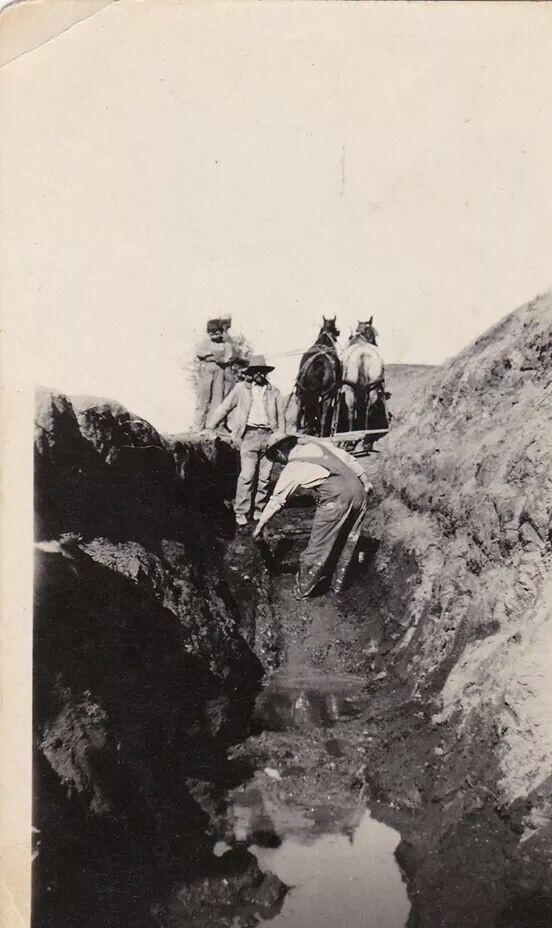
My family also has photographs showing the original diversion dam being constructed more than a century ago, when horses and wagons were used during the work.
The old infrastructure is now visibly showing its age.
“This is the old dam. All this concrete is 110 years old,” Lundberg said. “So it's starting to corrode.”
For people with a connection to Babb, the changes provide a chance to see a familiar part of the community enter a new era.
The St. Mary Canal and surrounding waterways were part of my grandma's and my childhood, while the area has also remained familiar to generations of families.
Work continues
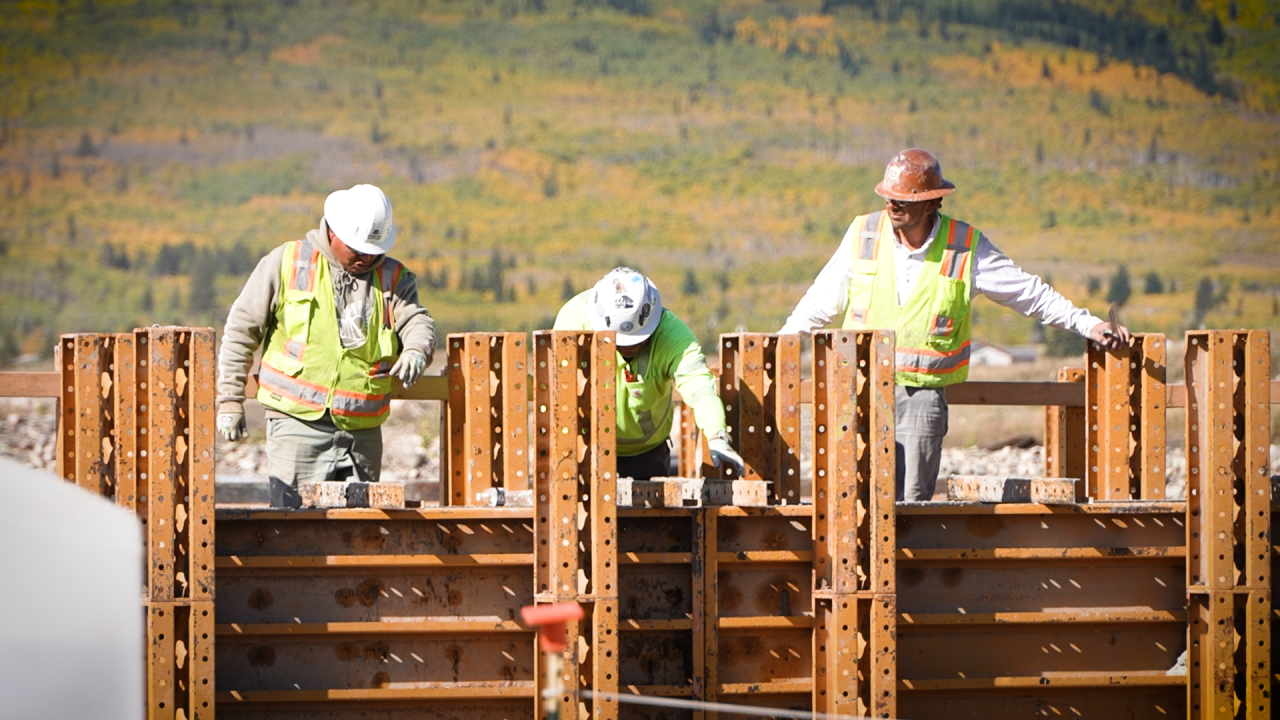
Construction is still underway, with crews pouring concrete and completing the structures that will eventually make up the new diversion system.
Lundberg estimates the project is roughly halfway complete.
“Quite a bit to go," he said.
The project is expected to be completed by the end of the year, weather permitting.
Once finished, the new St. Mary Diversion Dam will continue the primary purpose of the original structure — moving water toward the Milk River Project — while adding modern infrastructure designed to improve fish passage and protection.
For a structure that has been part of the Babb landscape since 1915, the project marks a significant transition: preserving the role the diversion system plays in Montana agriculture while replacing the aging infrastructure that has carried that responsibility for more than a century.