


GREAT FALLS — Great Falls is restructuring its code enforcement operation as the city works to address abandoned homes, overgrown properties and other buildings falling into disrepair.
WATCH THE FULL VIDEO:
The city currently has just one code enforcement staff member. Officials say that limited staffing has made it difficult to keep up with complaints, including weed violations and abandoned or fire-damaged homes.
As part of a broader restructuring, Code Enforcement will become its own standalone division rather than remaining under the Building Safety Division. The city says the change is intended to create a more robust team focused on property-related complaints.
City officials say property owners are given opportunities to correct violations before the city takes further action. That can include securing a vacant building, remodeling a property or tearing down a structure.
However, when a property reaches the point of city abatement, the process can take months and, in some cases, up to a year. The city must follow required timelines, provide notices, receive City Commission approval and solicit bids before work can be completed.
The cost is another challenge. A typical residential demolition costs about $25,000, according to the city. Those expenses can come from the city's hazard removal fund, which officials say is limited.
Because of that, the city says it looks for alternatives before using taxpayer-funded resources to demolish a property.
One option is partnering with local nonprofits such as NeighborWorks Great Falls and Habitat for Humanity. If a nonprofit can purchase a problem property, work with the owner or take over the property and redevelop it, the city can avoid using money from its hazard removal fund.
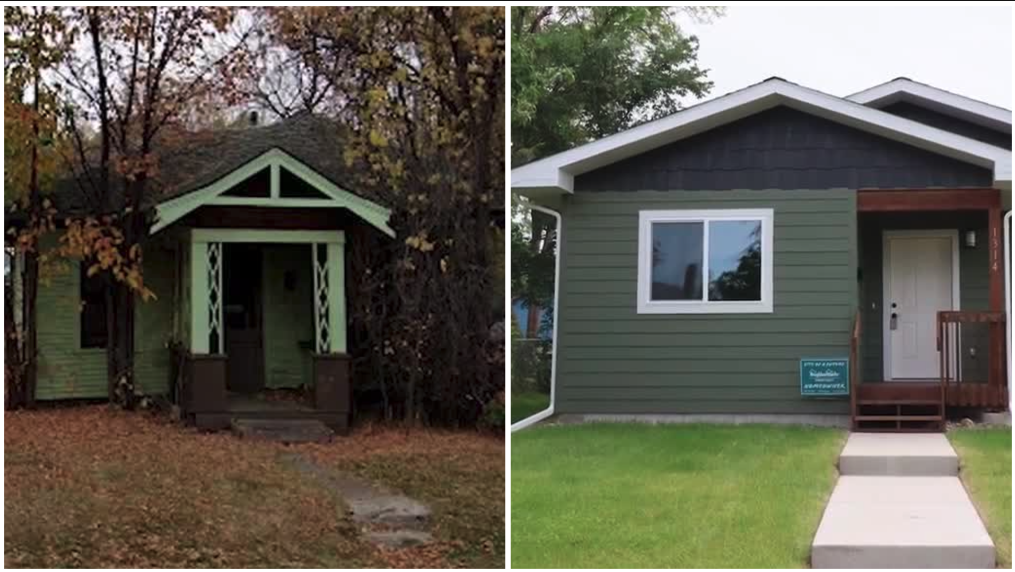
NeighborWorks Great Falls says it has expanded beyond its original focus of home improvement loans and now also acquires properties from owners looking to sell.
Executive Director Sherrie Arey says some of those properties can be used for NeighborWorks' High School House program, particularly homes in older downtown neighborhoods near local high schools.
NeighborWorks can use a construction line of credit to purchase and redevelop properties, with proceeds going back into its programs.
Arey says replacing a blighted home with a new house can have an impact beyond that single property, encouraging surrounding homeowners to take greater pride in their neighborhood.
City officials say the goal is not simply to remove problem properties, but to find ways to return those properties to productive use.
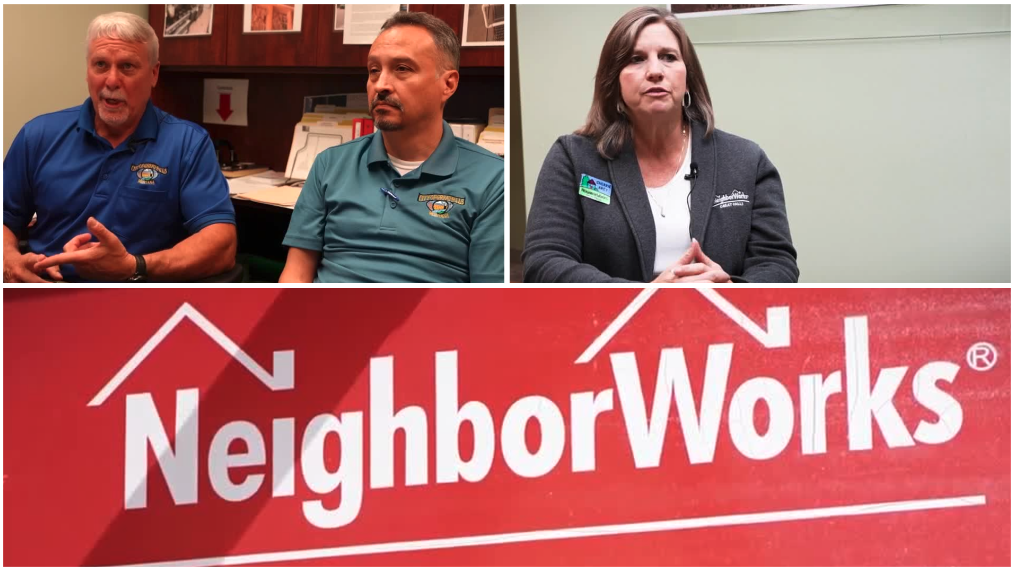
The city says the new standalone Code Enforcement division, combined with partnerships with organizations such as NeighborWorks, could help Great Falls address more problem properties while creating opportunities for new housing.
