

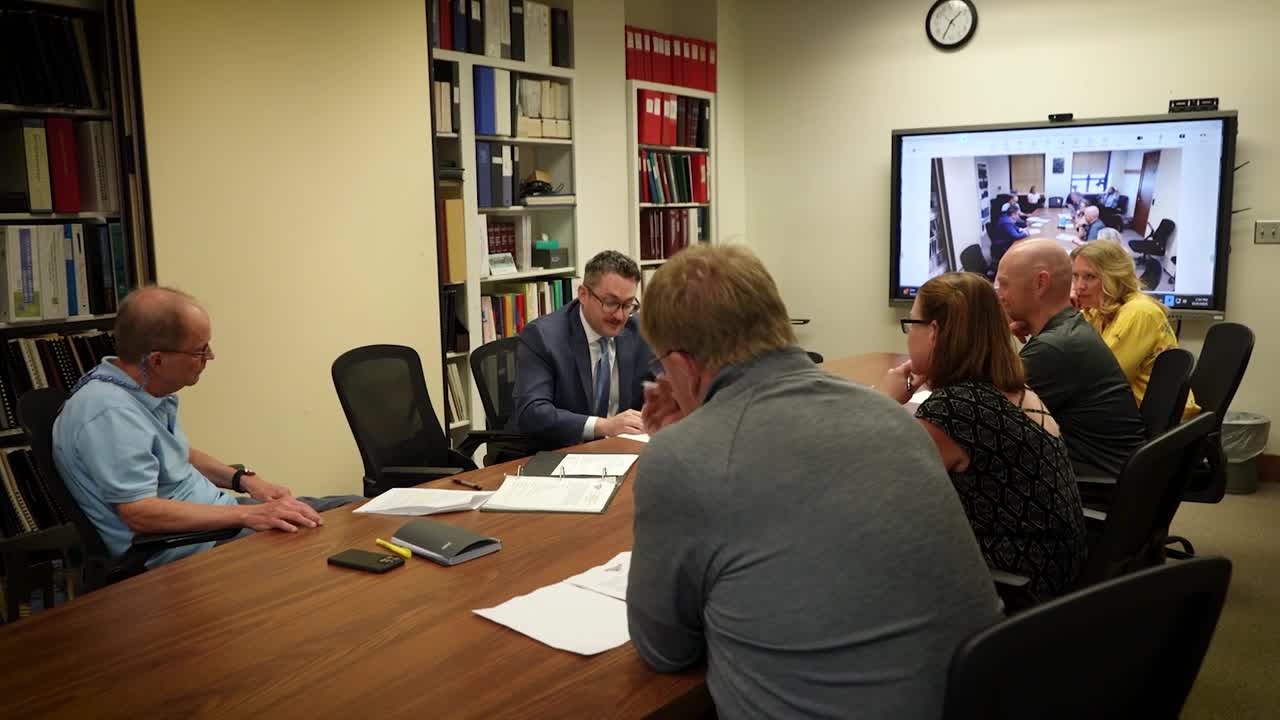


GREAT FALLS — At the Super TIF Advisory Committee meeting Tuesday, city staff outlined a sharp drop in the district’s taxable value and explained a temporary pause in staff-level approval of new applications through the Downtown TIF Building Program.
WATCH Madison Collier's report below:
Tax increment financing, or TIF, uses property tax revenue generated by growth in taxable value within a designated district to help pay for improvements in that same area. In downtown Great Falls, those dollars help support building upgrades and other redevelopment projects.
At the meeting, Great Falls Strategic Development Officer Brock Cherry explained that the district’s incremental taxable value fell from about $2.14 million in tax year 2025 to about $832,000 in 2026 — a decline of about 61%.
Those figures represent taxable value, not the amount of money available to spend. The decline also does not necessarily mean annual revenue will fall by 61%.
Cherry said the downtown district has become accustomed to generating around $2 million in annual tax increment revenue in recent years.
“We’re probably entering a new era of the downtown TIF where that isn’t the case,” Cherry said. “And that’s really the question that we have to prepare ourselves for and educate ourselves about.”
He explained there was no single reason for the decline. One potential factor was related to the sale of Energy West to NorthWestern Energy.
Before the sale, Energy West’s downtown location helped bring taxable value from its utility properties — including some outside the district — into the downtown TIF through the state’s centrally assessed property tax system, Cherry said.
After the ownership change, that value was allocated differently. As a result, the downtown TIF no longer receives the same level of taxable value from those properties, reducing the revenue it can generate.
Cherry also pointed to legislative changes affecting commercial property taxable values. Because the downtown district contains a significant concentration of commercial property, those changes also affect its financial outlook.
While the city prepares for less revenue, Cherry emphasized that the district can still meet its obligations.
“The downtown TIF is not insolvent. We are financially secure,” he said. “We’re not facing any immediate financial crises and the district remains capable of meeting its existing financial commitments.”

The city allocates up to $500,000 annually for the Downtown TIF Building Program, which helps fund projects such as facade improvements, accessibility upgrades and safety improvements.
The city manager has temporarily frozen staff approval of new applications through that program while officials work to get a clearer financial picture.
Previously approved awards, executed agreements, debt service and reimbursements for approved projects will continue. Other TIF requests outside the staff-administered building programs can still move forward through the advisory committee and City Commission.
Cherry said they expect a clearer picture of the district’s revenue by late October or early November. That information will help the city manager decide whether to lift the temporary freeze or pursue a broader discussion with the City Commission about how downtown TIF dollars are spent.
