


As harvest season winds down across north-central Montana, producers are looking back on a growing season that changed dramatically after a major round of rain in June.
WATCH THE FULL VIDEO:
Before that rain arrived, conditions were so dry that some producers weren't sure there would be much of a crop to harvest.
“Before then, we didn't think there was going to be anything. I mean, it looked that bad,” said north-central Montana producer Erik Somerfeld.
The June moisture came at a critical time for crops across the region, particularly spring wheat and malt barley. Somerfeld said the rain also helped save winter wheat that was struggling after a relatively dry start to the season.
“The spring wheat and malt barley did really well because of it,” Somerfeld said. “It did save the winter wheat, but it really saved the spring crop, because without that, the spring crop wouldn't have been anything. It would have been a complete wreck.”
The wet stretch in June was followed by a much hotter and drier summer. Temperatures climbed into the 80s and 90s for multiple weeks, with little additional moisture.
Somerfeld said the heat likely reduced the top-end yield potential for spring wheat, but overall, the crop held up relatively well.
“The heat did probably take the very top end of the yield for spring wheat off, but not too bad,” he said.
Now, with cooler September temperatures settling in, producers are turning their attention toward next year’s crop.
Somerfeld said conditions going into fall are encouraging, giving producers a decent starting point for the 2027 growing season.
“We're going to go into fall with pretty good conditions for next year's crop right now,” he said. “So, that's a good sign already.”
But what happens over the winter could play a major role in how those conditions carry into spring.
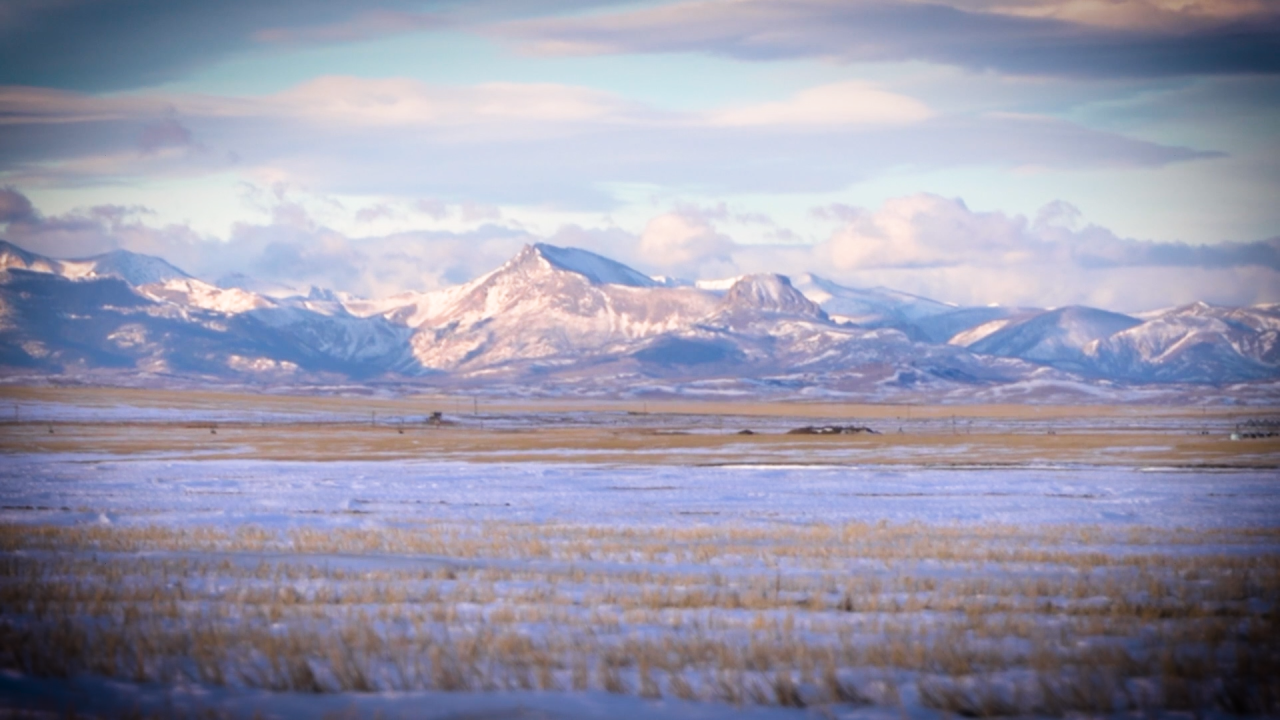
For producers, a hard, cold winter can help reduce some insects and diseases that can affect crops. Somerfeld said last winter was unusually mild, with rain continuing well into December rather than the colder conditions producers typically hope for.
“If it's a heavy, hard winter, it'll kill them off,” Somerfeld said. “But you know, this year was a bad year for it. Heck, it was raining all the way into December last year. It just didn't get cold.”
Forecasters are watching the potential for a strong El Niño pattern this winter, which could bring warmer and drier conditions to parts of Montana.
Somerfeld said that type of winter would be a concern for producers in the Golden Triangle and areas farther east, where moisture is critical for establishing and maintaining next year’s crop.
“Maybe west of the mountains might be more wet,” he said. “But here in the Golden Triangle and headed to the east, it looks like it's going to be a fairly dry, warm winter, which is not great.”
For producers, the biggest factor heading into the next growing season remains moisture.
“Moisture is a big thing,” Somerfeld said. “If we get good moisture, we can make a crop.”
With this year’s harvest nearly complete, producers are already shifting their focus to the months ahead — watching winter temperatures and precipitation as they prepare for another growing season.
