


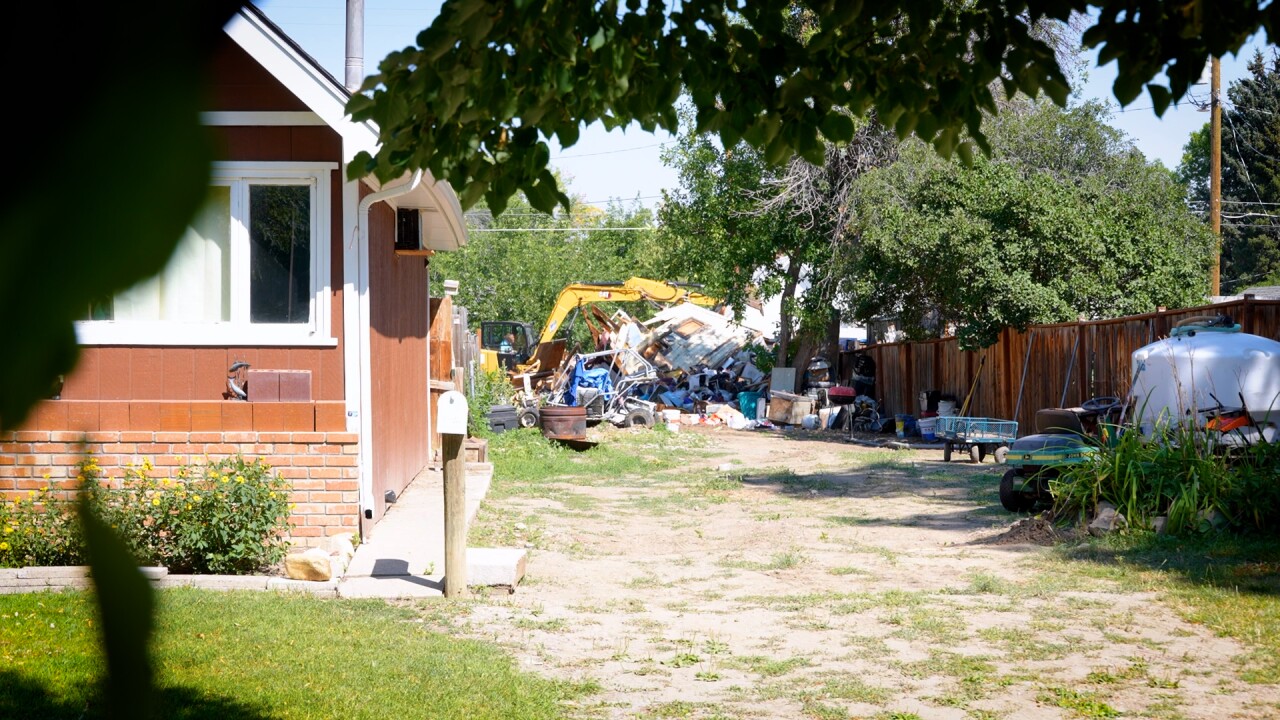
GREAT FALLS — As crews removed debris from a property along Sixth Avenue North, officials said the work represented the final step in a code-compliance process that can take months—and one the city is now restructuring.
WATCH Madison Collier's report below:
For Devon Morris, who has lived next door for about a year, the cleanup is also about what happens after the crews leave.
“I think this is a great side of town. I have a lot of good neighbors,” Morris said.
However, he worries about what his dog or nearby children could encounter around the property, especially if the gate is left open.
“What the heck is she going to get into?” he said.
According to city officials, every code-compliance case begins with a citizen complaint. Property owners typically receive a 10-day notice followed by a 30-day notice.
If the problem remains, the case can move through legal review, additional notices, contractor bidding and approval from the Great Falls City Commission. The owner is then given another 30 days to act before the city steps in.
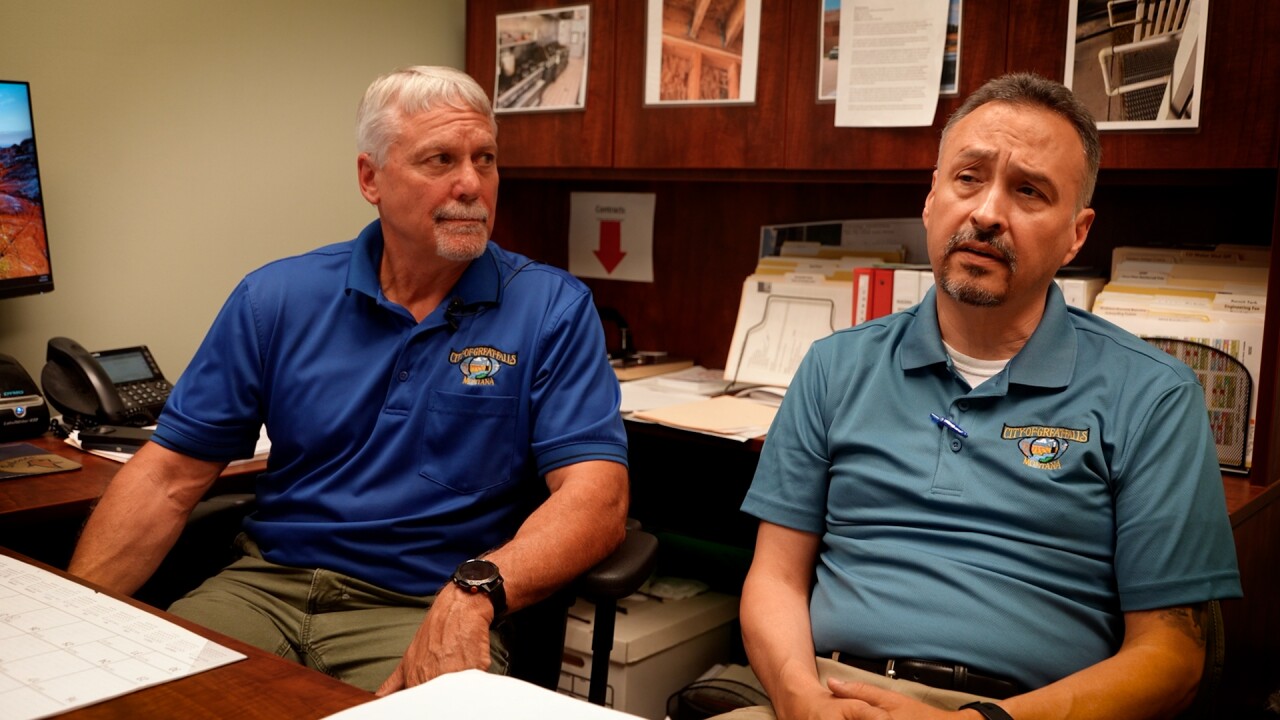
A case involving weeds may take about two weeks, while a property abatement can take up to a year, said Bruce Haman, city building official.
“Everything we do, we work through our legal department, and that drives a lot of our timelines because we have to make sure we’re following the law and we’re respecting everybody’s due process rights,” said Rob Moccasin, the city’s code compliance and neighborhood council manager.
An abatement also requires significant staff time and draws from limited city funding.
“The last thing that we want to do is use our staff time to go in and actually abate the property, clean up the property or tear down the property,” Haman said.
Those demands are also driving changes within the city.
Code compliance, previously housed under Building Safety, is becoming a standalone division overseen by Moccasin. Great Falls currently has one dedicated code-compliance employee and plans to add a second.
Moccasin said he wants to focus on how complaints are received and tracked. The city is developing a public-facing webpage that would eventually allow residents to view complaints in their neighborhoods and follow the status of their own submissions.
Haman said the city handles hundreds of code-compliance cases each year, but typically only one or two reach the point where the city must enter a property and complete the work.
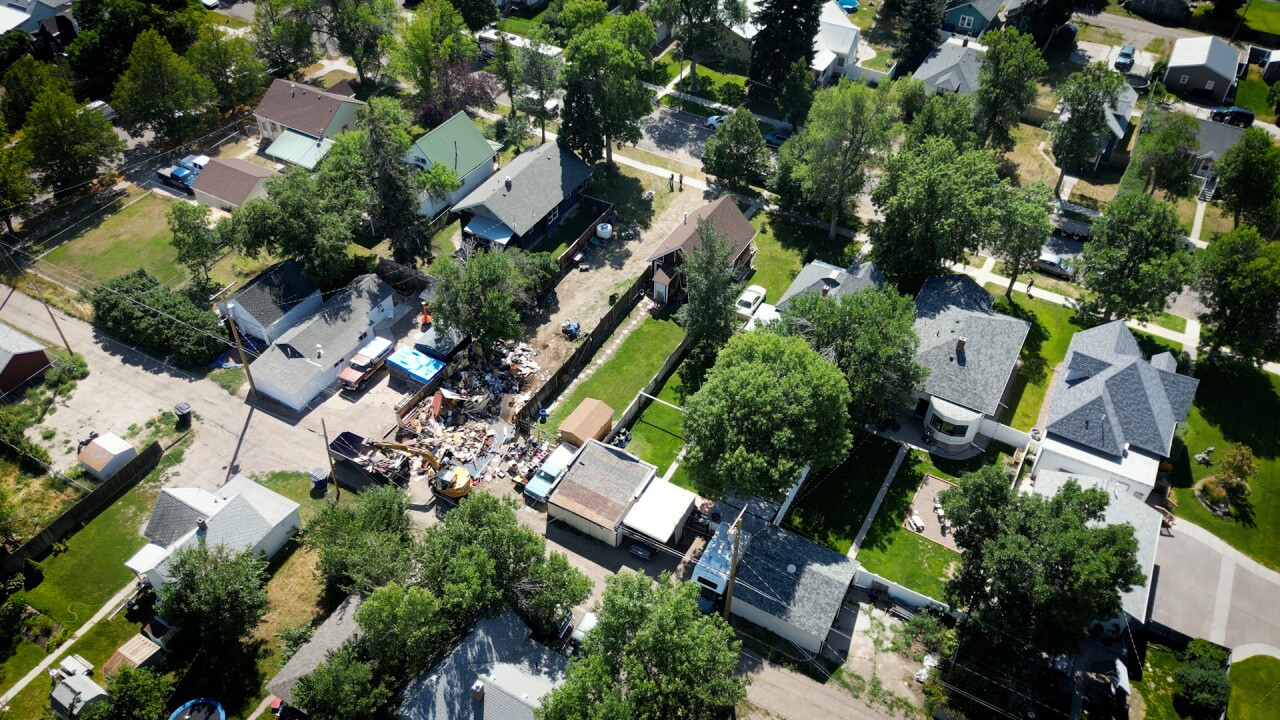
Officials estimated the contractor’s cost for the current cleanup at about $15,500. When the city must carry out an abatement, it generally relies on a hazard-removal fund. A lien may then be placed on the property to recover the expense, although officials said that process can take time.
Haman said adding staff should give the new division more capacity to manage complicated cases.
“The more staff that we have come on board, we’ll be able to clean up these properties much quicker,” he said. “Right now, it’s taken too long.”
