


SUNBURST — Korey and Wendy Fauque have changed how they farm by learning what their land needs — and how much risk their business can take.
The owners of KW Ag shared those lessons Wednesday with Montana Department of Agriculture Director Jillien Streit and her team. As part of the department’s Innovative Ag Tour, the stop highlights businesses using innovative agriculture practices across the state.
WATCH Madison Collier's report below:
The visit began with a presentation from Korey Fauque on years of soil testing and lessons learned on the farm, before heading out to the fields.
“Learned a lot, made a lot of mistakes, but we’re doing, I think, better,” he said.
Fauque explained they stopped fallowing — leaving land unplanted for a season — around 2018 and expanded their crop rotations. A few years later, in 2021, they began exploring composting and biological products intended to support soil activity.
“We’ve learned we can replace a lot of fertilizer with biologicals, which when I was an agronomist, I never thought would be possible,” he said.
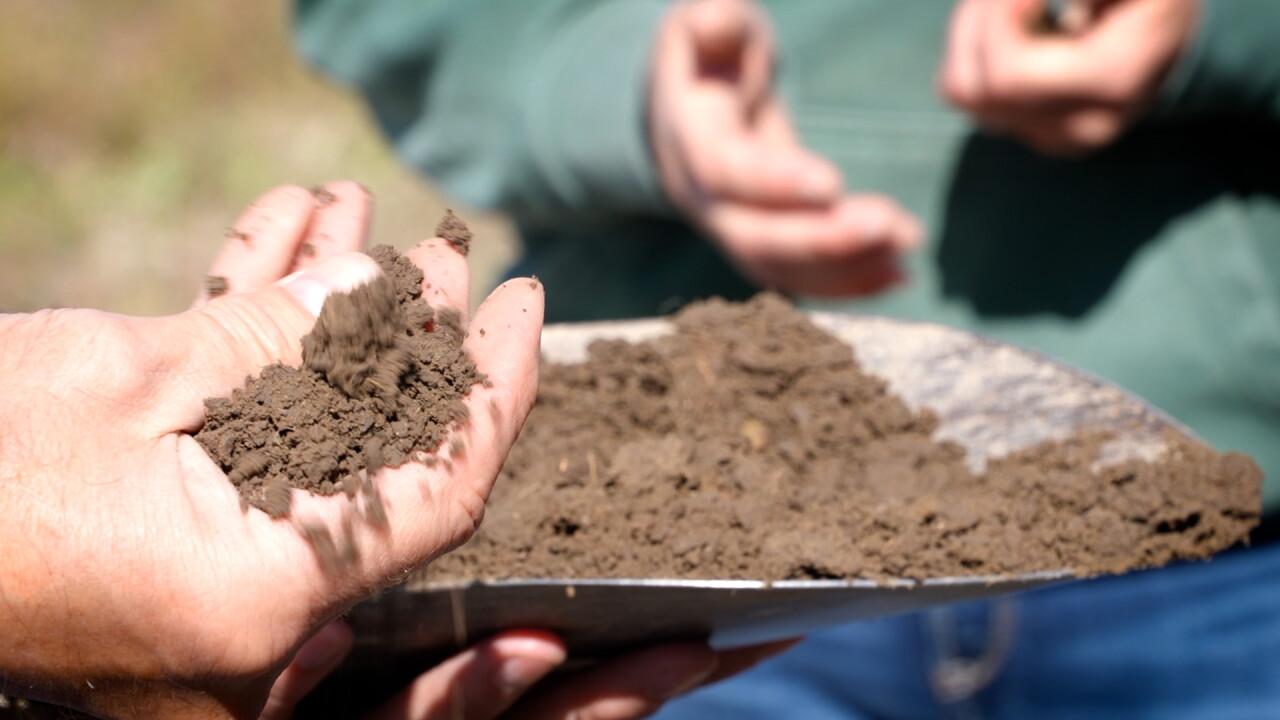
The family uses the soil tests to track nutrients, bacteria and fungi. They described the improvements in those measurements as encouraging, even when they weren’t immediately reflected in yields.
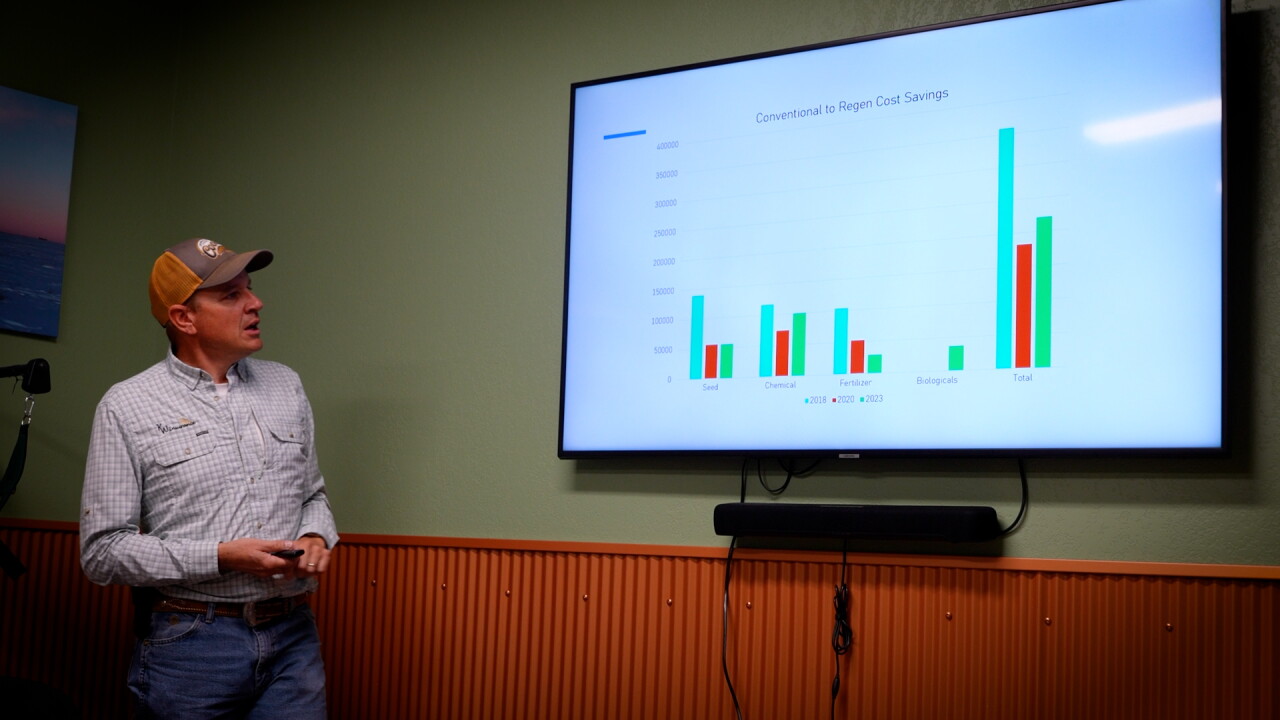
But reducing purchased inputs has required adjustments. Fauque said they initially cut fertilizer and weed control too intensively, and environmental factors such as drought hurt yields and made weeds harder to manage. As a result, they restored some applications and saw more promising outcomes.
For Streit, the connection between those decisions and the farm’s finances stood out.
“They stopped farming just for yield and started farming for return on investment,” she said. “And that is a big mindset change.”
Fauque said lower yields and limited rainfall also led them to adjust how they manage their cattle. They have planted perennial forage, grasses and other plants that regrow each year on some less profitable ground, grazing it for several years before returning to crops.
“We just don’t know how it’s going to work here yet,” he said.
The couple operate both a farm and an insurance agency serving agricultural producers, and during the visit, Korey discussed coverage challenges from his experience in both roles.
He said some practices they want to try, including growing different crops together through intercropping, don't fit existing insurance rules. Those gaps can discourage others from adopting similar practices.
Meanwhile, the USDA’s Risk Management Agency says cover crops and crop insurance can coexist, with management requirements affecting coverage for the insured crop, which differs from insuring the cover crop itself.
Fauque described using the federal Pasture, Rangeland and Forage insurance program for some forage acreage. It uses a rainfall index rather than measuring individual crop losses.
“Crop insurance is a vital tool for us to be able to lock in our bottom line,” Streit said. “But at the same time, the tool sometimes doesn’t keep up with the changes.”
Streit encouraged producers interested in similar practices to contact their local Natural Resources Conservation Service office about conservation programs, or start by asking a neighbor what’s working on their farm.
