


FORT BENTON — For those who manage the Upper Missouri River Breaks National Monument, 25 years of progress can be measured partly by what remains unchanged.
The second of two anniversary celebrations was held Saturday, Aug. 15, at the Missouri Breaks Interpretive Center in Fort Benton. Both events marked 25 years since the monument’s designation in 2001.
Watch Madison Collier's report from the Missouri Breaks Interpretive Center:
The monument stretches across 377,000 acres and includes 149 miles of the Missouri River.
Becky Cooper, the monument’s manager, said limited development has helped preserve the remote experience people find while recreating or visiting.
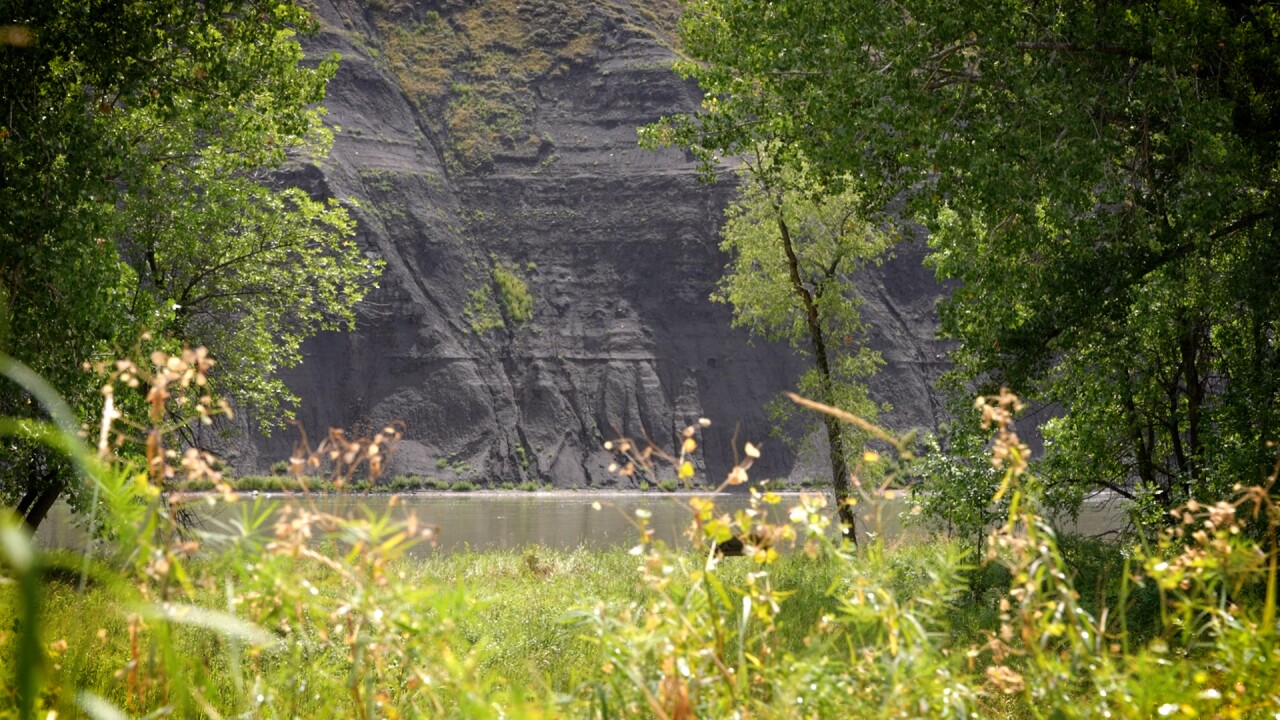
“We haven’t had a whole heck of a lot of new development within the monument,” she said. “If any of our recreationists go out and canoe or kayak on the river, they get to experience the same thing that Lewis and Clark got to experience when they did their expedition.”
Though, preserving that character still requires active management. Cooper said one example is how prescribed fire has helped remove encroaching juniper trees and restore sagebrush habitat for wildlife, including sage grouse.
Looking ahead, she said, the Bureau of Land Management is considering additional trails, improvements along the Nez Perce National Historic Trail and new ways to make parts of the monument more accessible.
One project is planned just outside the interpretive center.
“We’re going to be developing an interpretive trail that follows along the Missouri River,” Cooper explained.
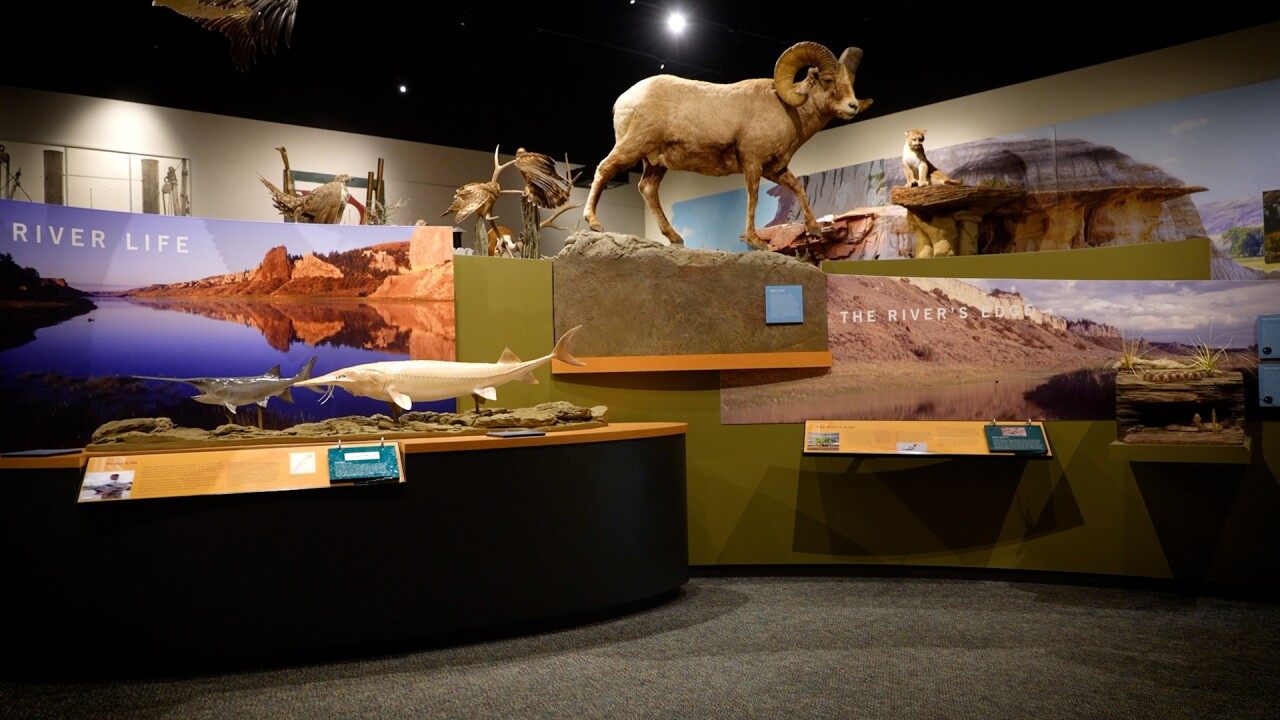
Inside, the exhibits tell the monument’s story through its landscape, wildlife and people. Topics range from the White Cliffs and animals found along the river to Nez Perce history, the Lewis and Clark Expedition and the area’s ranching heritage.
For education specialist Rhiannon Davis, those exhibits are only the starting point. She brings the monument’s stories beyond the interpretive center and into surrounding communities.
“There’s so much that happens in these spaces that I’m afraid people don’t necessarily know about,” Davis said.
The monument offers free programs for schools, groups and youth organizations. Through field trips and classroom visits, Davis works with teachers to connect familiar lessons with real-world examples from the monument.
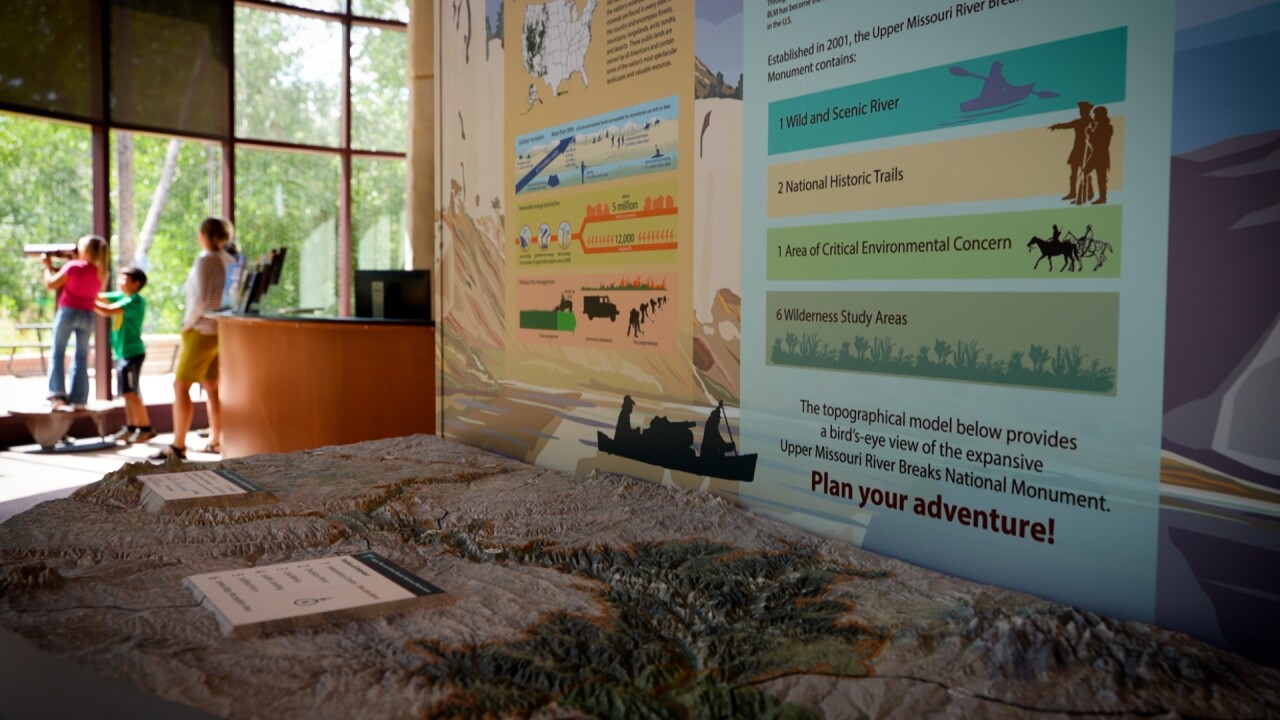
When Montana’s long distances make a trip to Fort Benton difficult, Davis often brings the monument to them. That work has taken her to communities such as Roy, Geraldine, Great Falls, Lewistown and Havre, along with libraries and after-school programs.
“Montana’s a big place. Things are a little spread out,” she said. “Part of my job is bringing that to them.”
As the monument enters its next 25 years, Davis said those experiences can spark curiosity, encourage people to return and build a lasting connection with the public lands around them.
“That’s how you create stewards in the next generation,” she said.
