

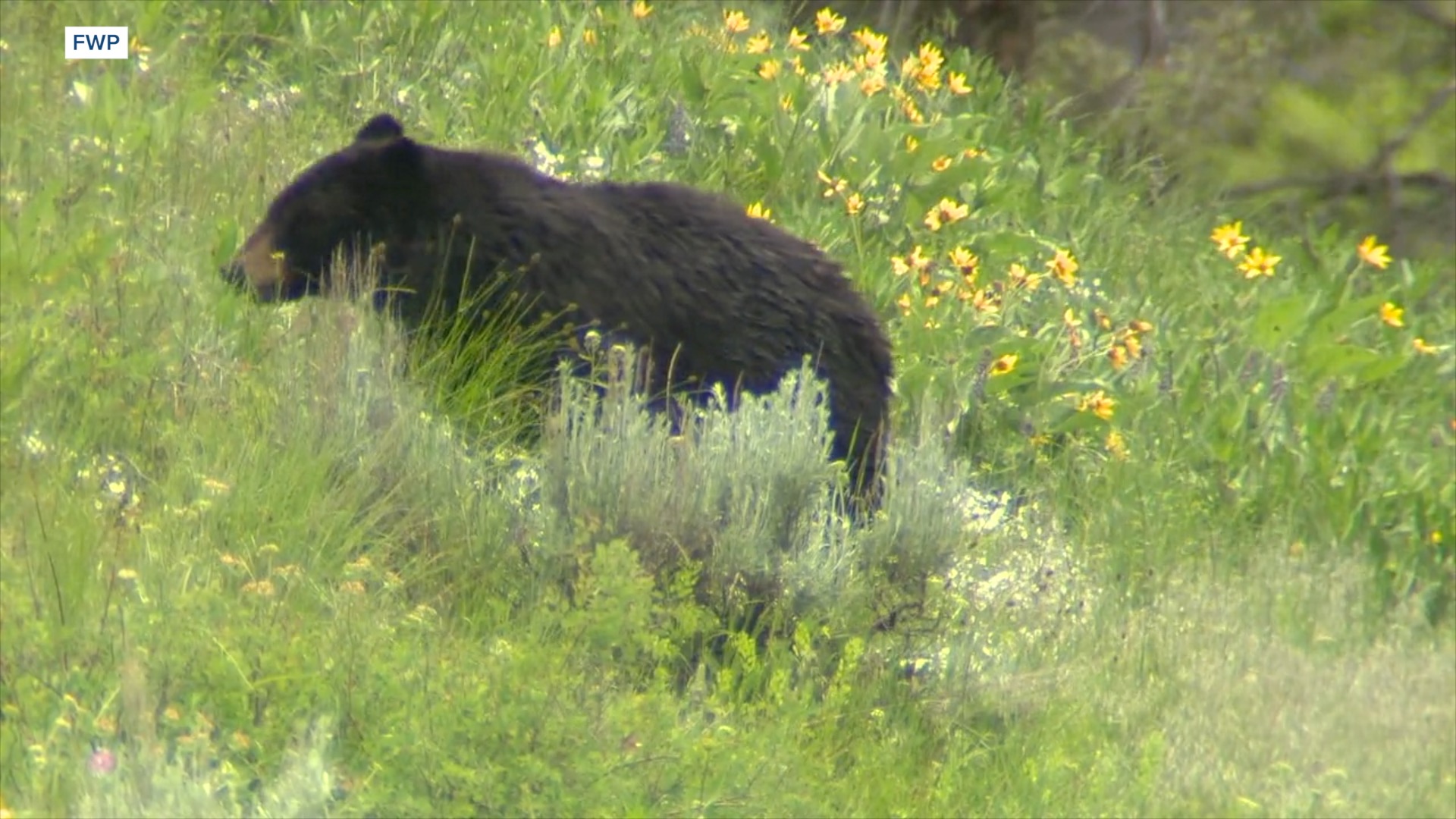

BOZEMAN — Montana Fish, Wildlife & Parks has euthanized 14 bears in the Bozeman area this past week, as wildlife conflicts across Southwest Montana track well above average for the 2026 season.
Morgan Jacobsen, an information officer with FWP, said urban bear encounters have spiked across the region this year.
"Bear activity in urban places like Bozeman and Livingston has been quite high this year," Jacobsen said.

Two main factors are driving bears into populated areas. First, the regional bear population is healthy.
"One is that bear populations are doing very well in Southwestern Montana," Jacobsen said.
"Euthanizing bears is a really unfortunate measure of last resort. That is what happens when really there are no other options because of unsafe bear behavior..."
Second, a shortage of natural food is pushing bears to look elsewhere.
"Some areas have seen a pretty poor, if not a failure of berry crop," Jacobsen said.
Once bears make their way into residential neighborhoods and find readily available food sources, they become a management problem.
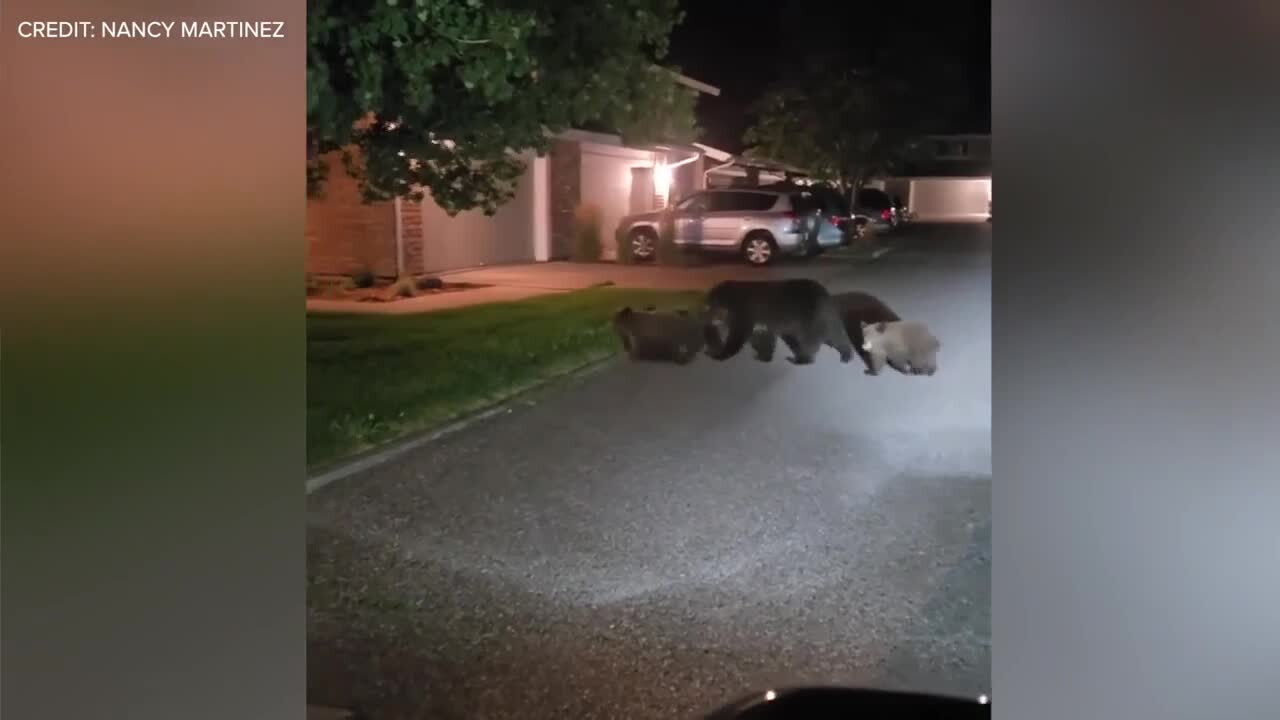
"There's a reason for them to stick around if they can find easy access to things like garbage and bird feeders," Jacobsen said.
That cycle can result in bears needing to be relocated or euthanized. This season, both are occurring at above-average rates.
"Numbers of bears that have been put down are tracking above average. Relocations as well," Jacobsen said.
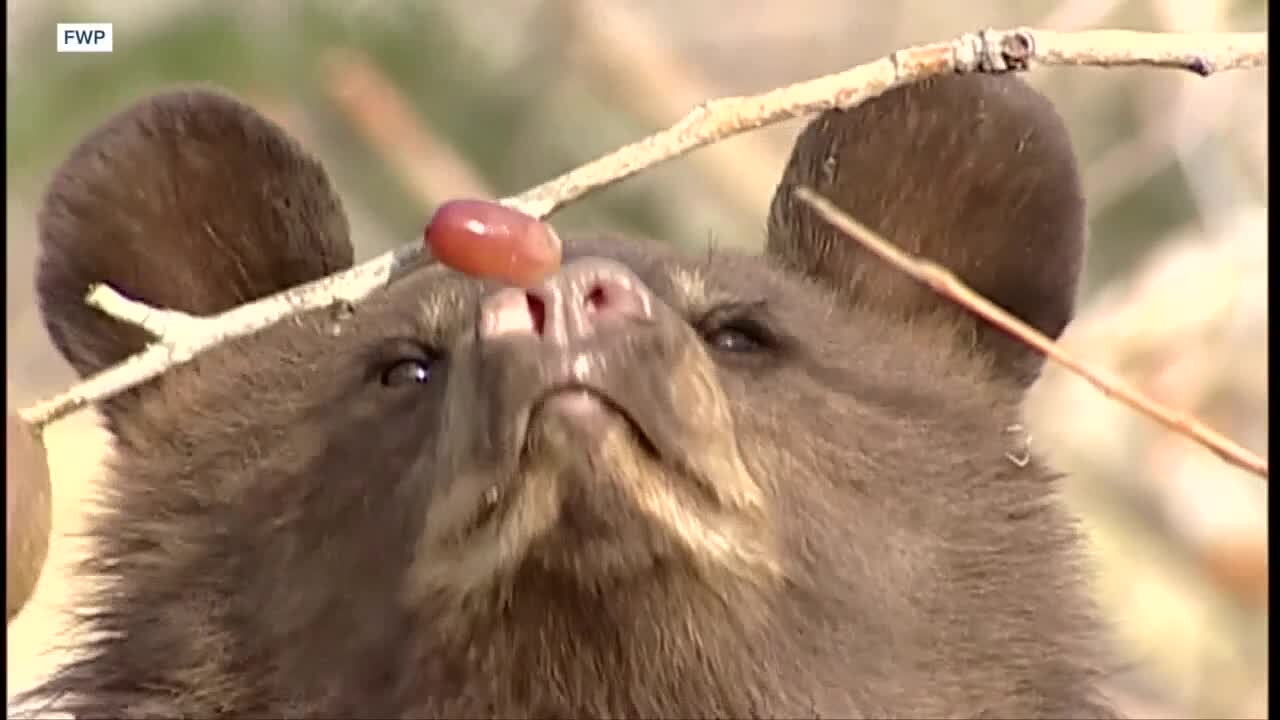
I reviewed an FWP data dashboard tracking bear relocations in Region 3, which covers roughly Southwest Montana. The most recent entry on the dashboard was dated September 18th — when FWP released a black bear in the Hebgen Lake area. Jacobsen said additional relocations have taken place since then, bringing the 2026 total to more than 16. In a typical year, the average is far lower.
"I'd say like 8-10 or 8-12 is about average," Jacobsen said. "I think what this helps show is we don't kill every bear we capture. Right? Whenever relocation is a viable option, that is something that we prefer."
Relocation is not always an option, however. FWP also maintains a dashboard tracking grizzly bear mortality. Across Montana, 68 grizzlies have been killed so far this year due to several factors.
For black bears, I asked Jacobsen to estimate how many have been euthanized so far this year, not counting the 14 from this past week.
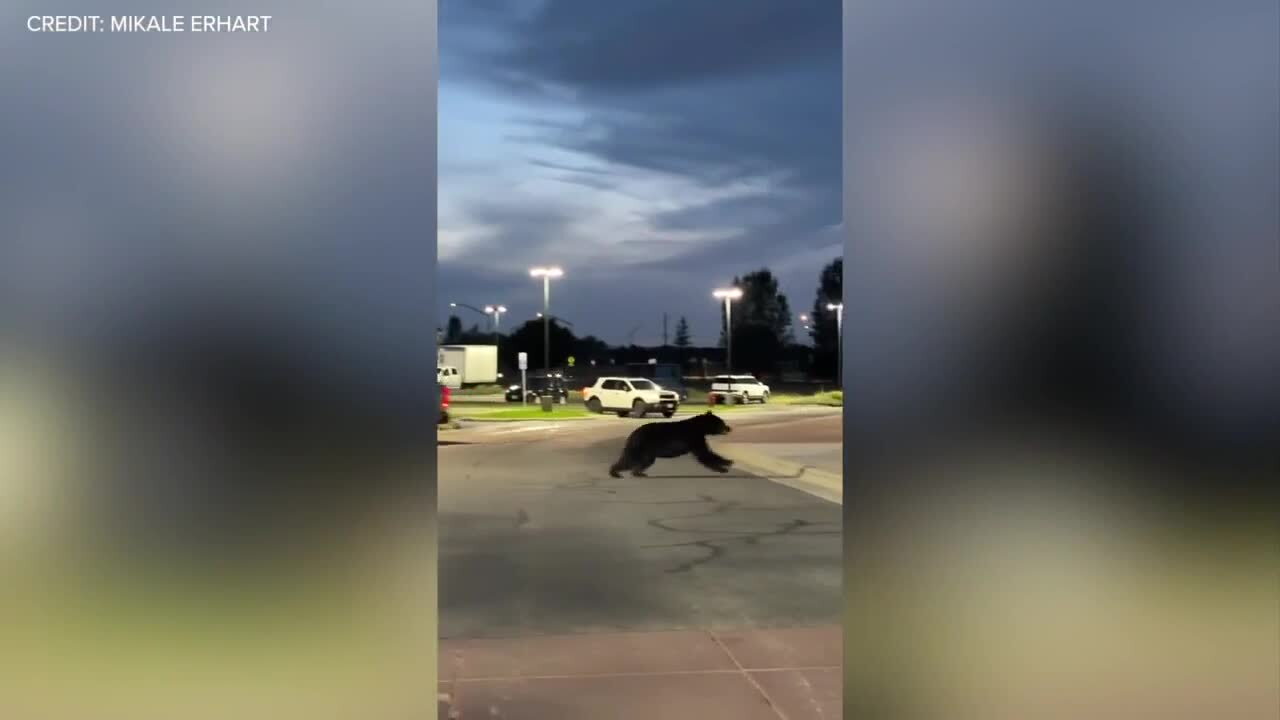
"A few dozen," Jacobsen said.
In an average year, FWP sees 8 to 10 black bear euthanizations.
"Euthanizing bears is a really unfortunate measure of last resort. That is what happens when really there are no other options because of unsafe bear behavior," Jacobsen said.
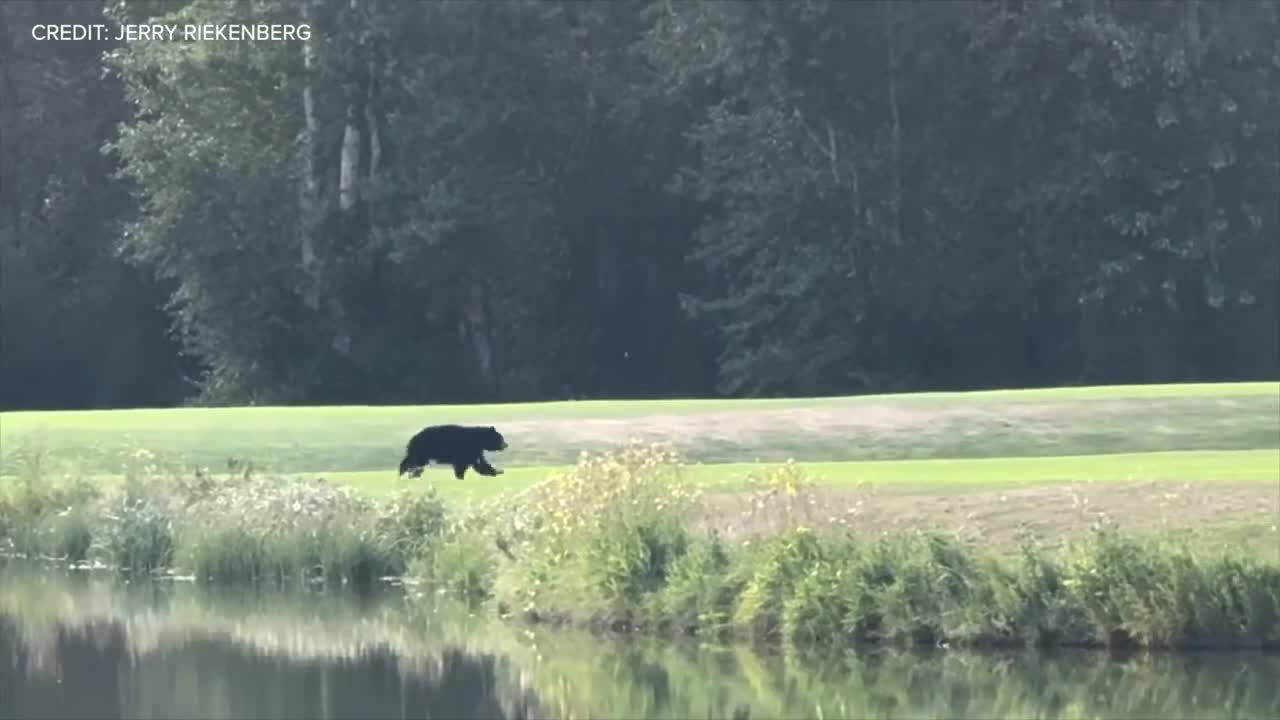
Bears are expected to remain active until around December, when they begin to hibernate. Jacobsen urged residents to contact FWP as early as possible if they spot a bear getting into something it should not.
"If you do see a bear that's happened to get into something that it's not supposed to? Give us a call early. The sooner we know about it, the more tools and options we have to deal with that conflict and that bear without having to put it down," Jacobsen said.
This story was reported on-air by a journalist and has been converted to this platform with the assistance of AI. Our editorial team verifies all reporting on all platforms for fairness and accuracy.
