

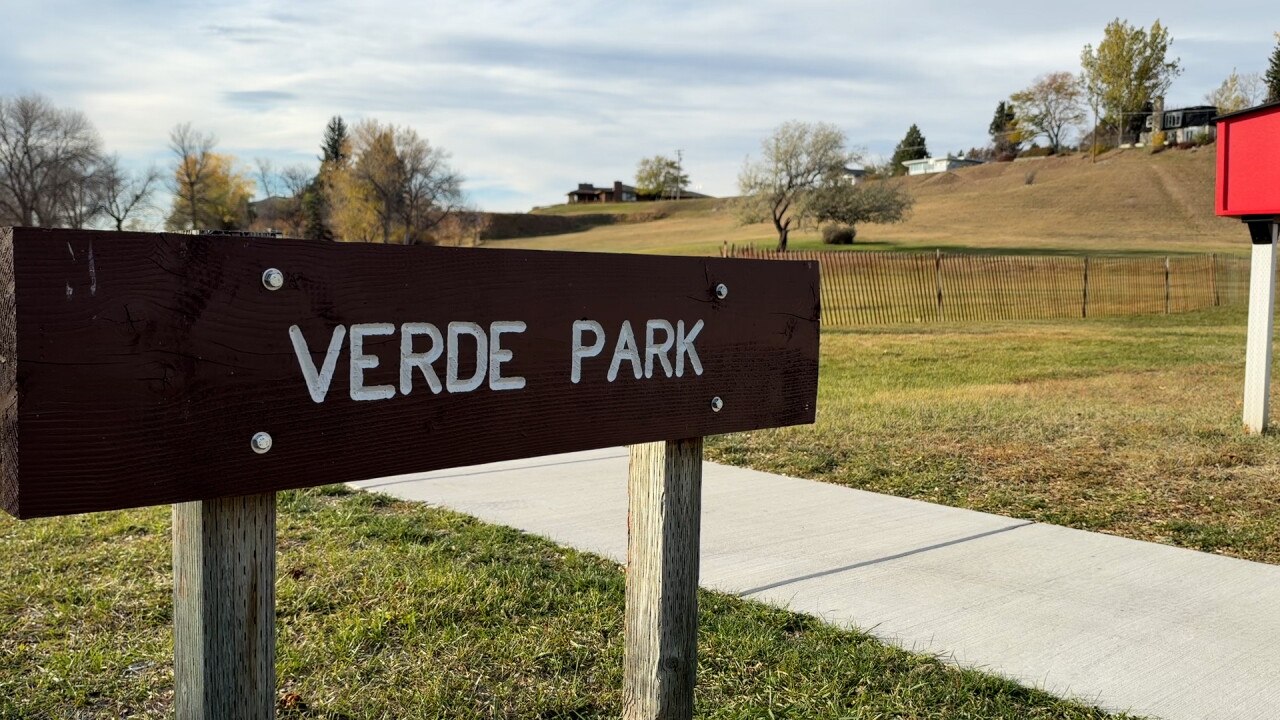


GREAT FALLS — Frustration over a sledding ban at Verde Park has prompted questions from residents who use the hill for winter recreation.
WATCH: CITY ADDRESSES SLEDDING BAN AT VERDE PARK
MTN News reached out to the City of Great Falls in response to viewer concerns. In a statement, the city said its Park and Recreation Department prohibited sledding after a young person suffered a serious head injury there last winter. The decision centered on public safety and potential liability.
“The department has a responsibility to consider known hazards and take reasonable precautions to protect park users,” the city said in a statement.
It is not the first time a sledding injury at a Great Falls park has raised legal questions.
In November 1997, 15-year-old Bryce Weinert was injured when her sled struck a safety net installed by the city at Broadwater Overlook Park. She sued, alleging the city had maintained an unsafe sledding hill and failed to adequately warn users about its dangers.
The Montana Supreme Court upheld a ruling in the city’s favor in June 2004. It found Montana’s Recreational Use Act protected the city from the negligence claim. The court also found insufficient evidence for Weinert’s claim of willful or wanton misconduct to proceed to trial.
While the city prevailed in that case, officials say liability protections do not prevent lawsuits or eliminate the expense of defending them. Those costs fall to the city’s insurance program and, ultimately, taxpayers.
The city acknowledged sledding is a longstanding winter tradition, but said it must balance recreational opportunities with safety and the responsible use of public money.
The restriction could be revisited by the City Commission.
“The City Commission can certainly consider whether a different policy regarding sledding in City parks is appropriate,” the statement said.
Staff could provide commissioners with the history of previous incidents, legal considerations and risk-management information to help guide that discussion.
The city’s response did not identify a scheduled discussion or a timeline for reconsidering the ban.
Full statement from the city below:
We understand the frustration regarding the closure of sledding at Verde Park. A little background information may be helpful.
Last winter, a young person suffered a serious head injury while sledding at this location. Unfortunately, this is not the first time the City has dealt with a significant sledding injury. Years ago, an injury at Overlook Park resulted in litigation that ultimately reached the Montana Supreme Court.
Following the more recent injury, our Park and Recreation Department made the decision to prohibit sledding at Verde Park out of concern for public safety and the City's potential liability. The department has a responsibility to consider known hazards and take reasonable precautions to protect park users.
There are also financial considerations. While Montana law provides certain liability protections for recreational activities, those protections do not necessarily prevent lawsuits or eliminate the expense of defending them. Those costs are ultimately borne by the City's insurance program and the taxpayers who fund it.
We recognize that sledding is a longstanding winter tradition and that residents want opportunities to enjoy our parks. The question is how to balance those recreational opportunities with public safety and responsible management of taxpayer resources.
The City Commission can certainly consider whether a different policy regarding sledding in City parks is appropriate. If the Commission wishes to revisit the issue, City staff can provide the relevant history, legal considerations, and risk-management information to help inform that decision.
In the meantime, the department's decision was made with public safety and the City's responsibilities in mind, not to unnecessarily restrict recreational opportunities.
