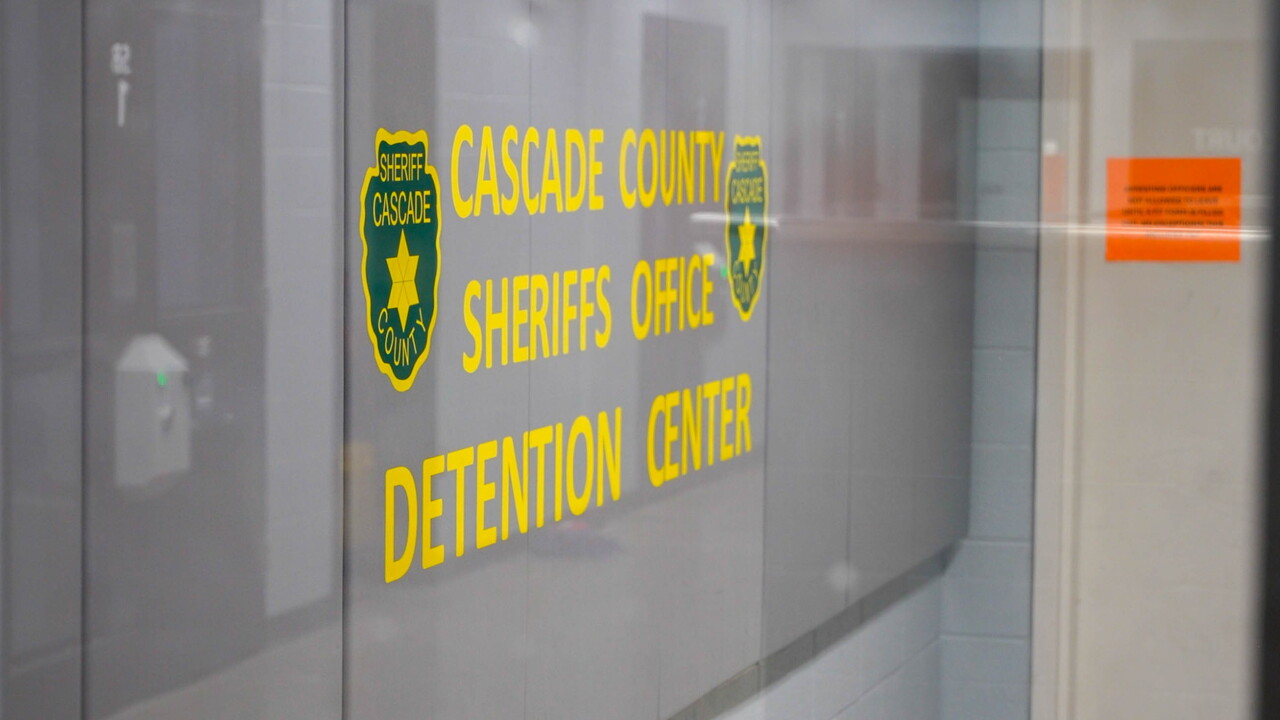


GREAT FALLS — A critical staffing shortage is forcing the Cascade County Detention Center to reduce its inmate population as officials work to protect the safety of officers, inmates and the community.
The facility is designed for 90 detention officers but currently has just 51, according to Cascade County Sheriff Jesse Slaughter. He said four recent resignations pushed an already strained staff into emergency operations.
WATCH: Cascade County Detention Center at Emergency Staffing Levels
“We’ve been understaffed for well over a year,” Slaughter said. “They’ve been working forced overtime for over a year. It’s been extremely stressful on them and their families.”
Under the emergency plan, all U.S. Immigration and Customs Enforcement and U.S. Customs and Border Protection detainees must be removed from the facility by Monday, Sept. 21. Thursday’s inmate roster listed 61 immigration inmates at the detention center.
Slaughter said many were already expected to be released soon because of an unrelated federal court case. Others will be transferred to different facilities.
The number of City Court inmates housed at the detention center will also be capped at 15. Once that limit is reached, City Court will be asked to determine whether someone being held on a misdemeanor can be released or transferred before another person is booked.
Slaughter stressed that violent offenders and people accused of felonies will still be taken into custody.
“The focus is on making sure that we have bed space and we can protect our public out there, and we can arrest those people that need to be arrested when they need to be arrested,” Slaughter said.
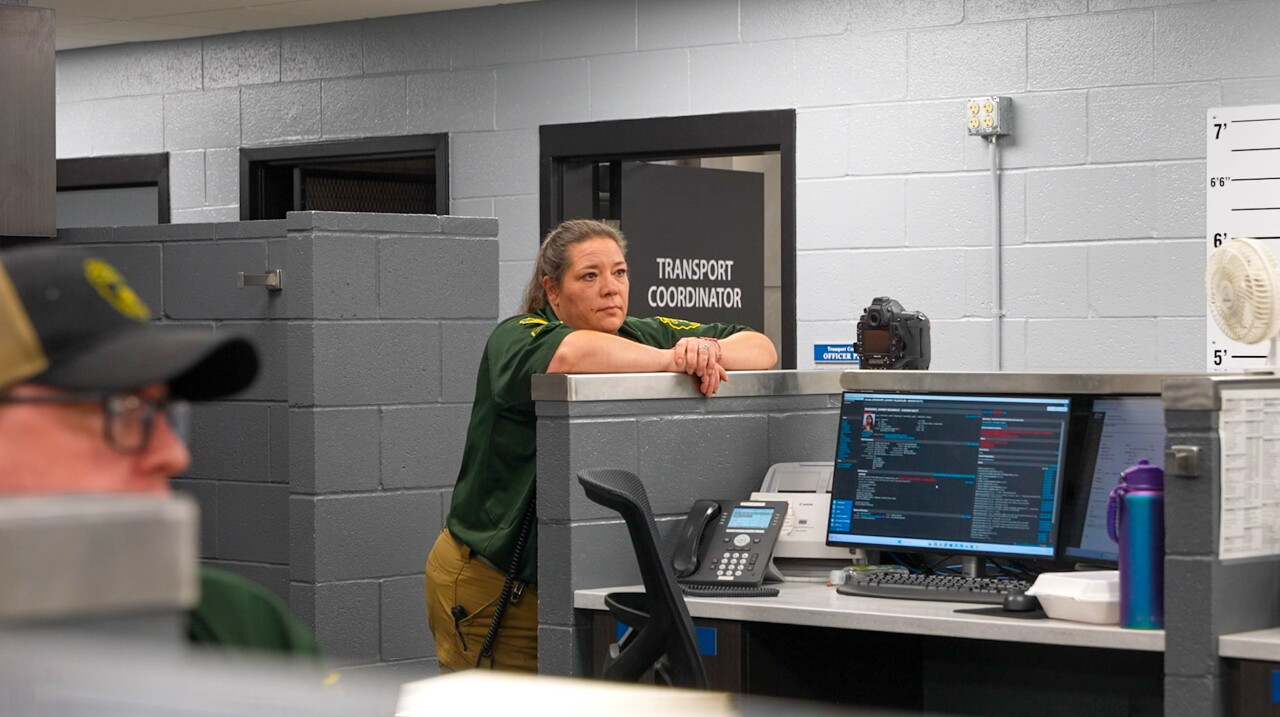
The shortage has also created safety concerns inside the detention center.
Detention officer Brandi Monks, who has worked at the facility for nearly 12 years, said fewer officers are being asked to monitor crowded housing units, making it more difficult to spot and respond to fights or other problems.
“There’s only so much your four eyes can sit and watch,” Monks said. “You need more officers on each station.”
The forced overtime has also taken a toll on officers and their families.
“The worst part of this job is not spending time with your family, with all the forced overtime,” Monks said. “I’ve had my grandbaby—what—three weeks old, and I got to see her four times.”
Reducing the inmate population should provide immediate relief and create a safer environment for both officers and inmates. However, Monks said the long-term need remains the same.
“It will help out a lot,” she said. “But we need more officers.”
Slaughter said applicants are currently moving through the hiring and background process, but they must complete onboarding and training before joining the staffing rotation.
He could not provide a timeline for when staffing levels will recover or when the emergency restrictions could be lifted.
The loss of federal and state inmates will also reduce revenue because the county is paid to house them. Slaughter said the detention center’s revenue-based funding model has made it difficult to improve compensation without also increasing the number of inmates housed at the facility.
He said the county will need to examine that funding structure as it searches for a long-term solution to its staffing and retention problems.