



Alcohol is widely accessible in Montana, with thousands of active liquor licenses across the state, according to the Montana Department of Revenue. Bars, liquor stores, and casinos are prevalent, making alcohol readily available in many communities.
"Alcohol is everywhere…family gatherings, birthday parties. Everywhere you go, there's alcohol," said Chris Hensley, Alliance for Youth youth navigator.
According to data from the Montana Department of Public Health & Human Services, 19.5% of Montana adults report binge drinking at least once in the last month, compared to approximately 15.2% nationally. Montana also has a higher rate of high school students reporting alcohol usage and binge drinking than the national average. (26.2% vs. 22.1% for use, and 13.4% vs. 8.8% for binge drinking).
Alcohol abuse has far-reaching implications that extend beyond individual drinking habits. Between 2019 and 2023, Montana had over 2,941 alcohol-related deaths, with counts still being estimated for 2024 and 2025, while alcohol-related hospitalizations and emergency visits led to more than $222 million in healthcare costs in 2023 alone. Furthermore, alcohol was responsible for around 13.6% of all DUI arrests in 2023, with nearly 4,000 impaired driving arrests statewide.
For those in recovery, the accessibility presents a unique set of challenges.
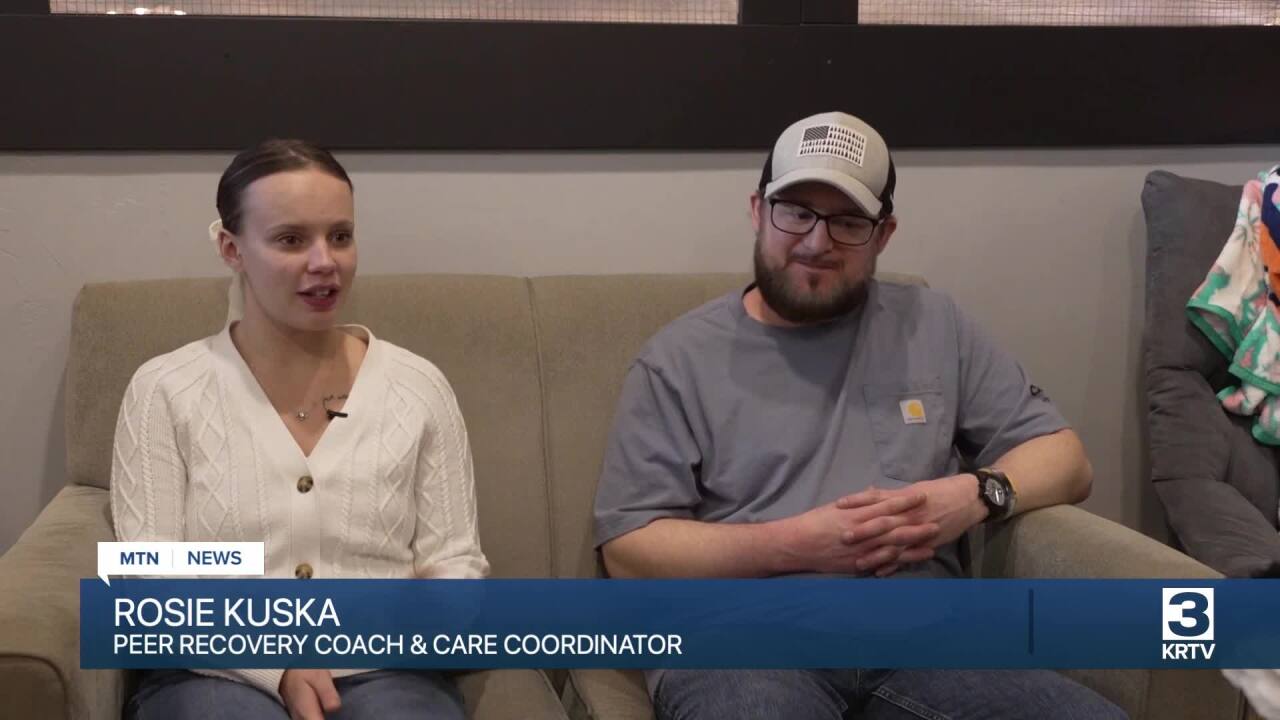
“I got sober, and I was nervous because I was a bartender. I like, worked at bars. I was always around it. I thought fun was drinking. And so, when I got sober, I was really nervous because I was like, I don't think I'm going to be able to have fun again. Like, that's just what I associated it with,” added Rosie Kuska, a peer-recovery coach and care coordinator with Sober Life.
Sober Life members say Montana’s long winters can be challenging, sometimes leading to isolation and increased reliance on alcohol.
“A lot of substance abuse, especially alcohol, is easily accessible. Right. Then you also have the loneliness that sets in, especially around the holidays. That's a big one. And then a lot of it has to do with that whole self-improvement. If you're not focused on the right things, you're going to tend to, you know, self-medicate,” said clinical therapist Taylor Price.
There is local support available to people seeking rehabilitation, and experts emphasized the necessity of ongoing support. “If anybody needs support, we're here… you always have a seat at our table,” Price added.
If you or someone you know is battling with alcoholism, there are options available, including local support groups, Alcoholics Anonymous, The Sober Life, and the 988 Crisis Hotline.
