


Water can be one of the most destructive aspects of nature, especially when given enough time. Erosion is a big concern for many landowners, but conservation practices can go a long way to stopping the damage.
(WATCH: Conservationists and volunteers work to restore eroded riverbanks with natural materials)
The Lewis and Clark Conservation District is working with landowners to show how to restore streambanks by using natural materials.
“It's a learning process,” said landowner John Baucus, “and so I'm kind of learning just along with everybody else, but it’s all positive. It's good to know different processes or different options for different stream banks.”

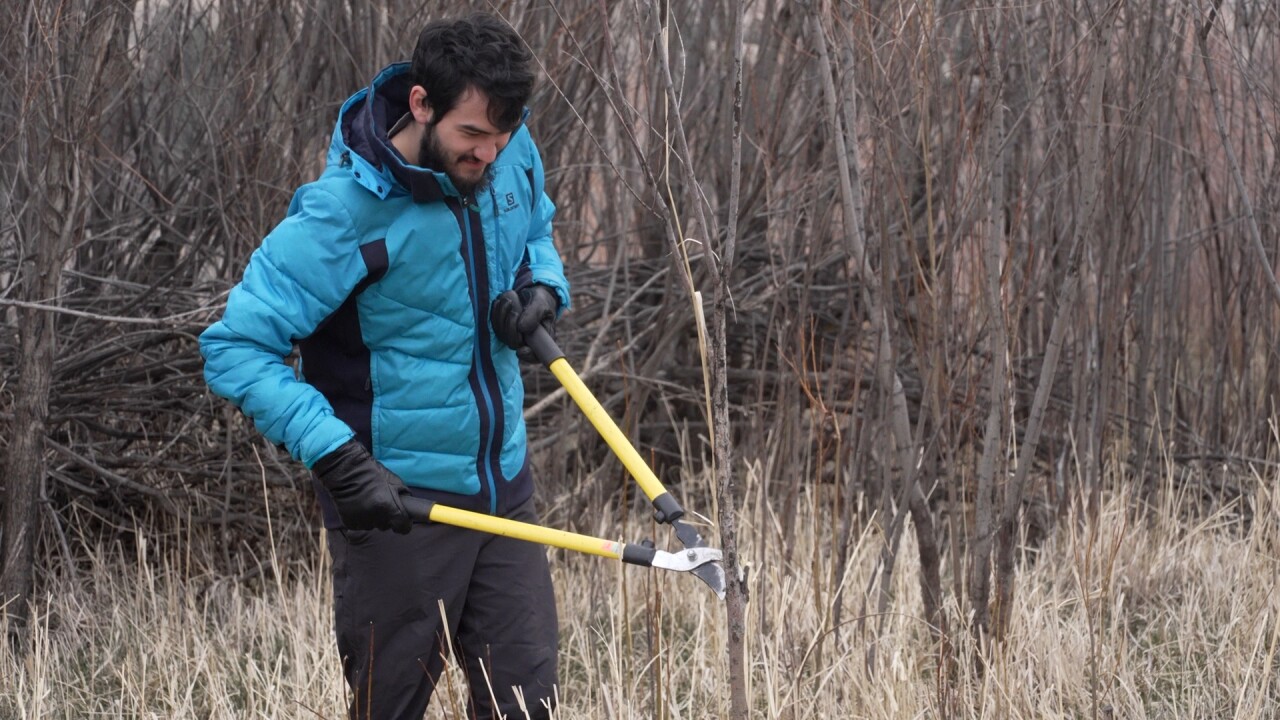
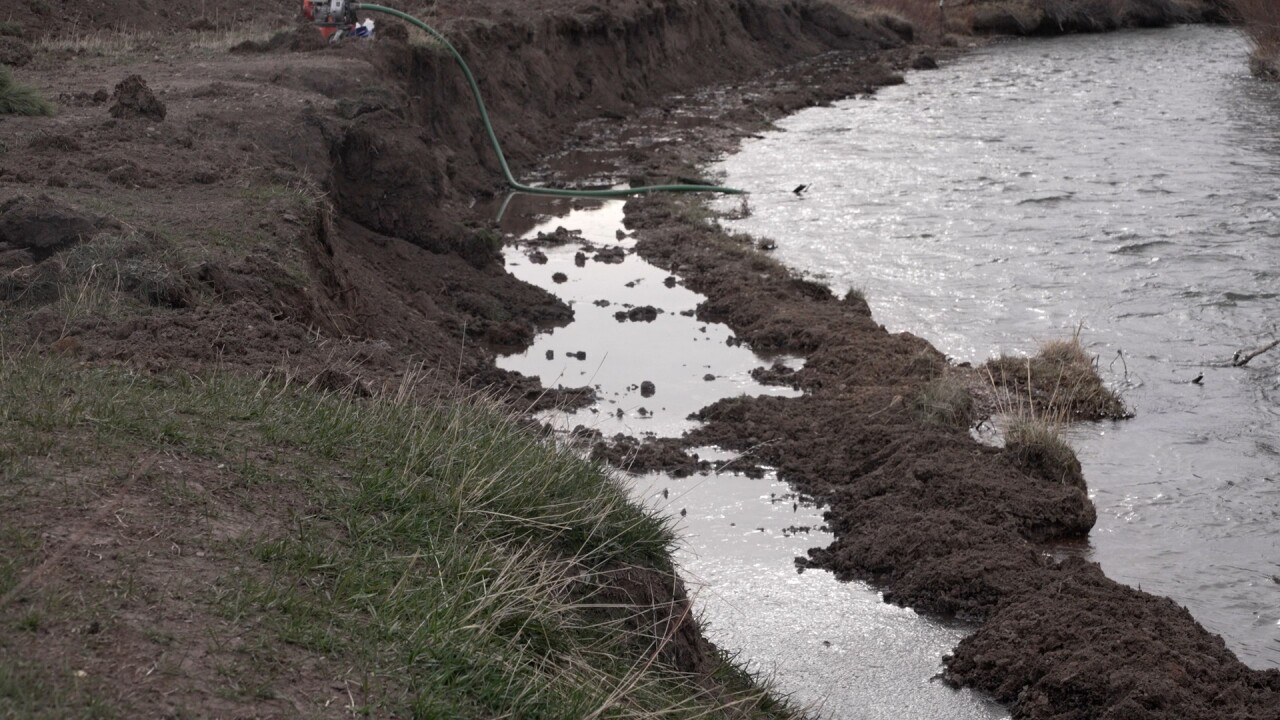
On Tuesday, volunteers working on 200 feet of the Little Prickly Pear Creek were using a technique called “brushy toe”. They cut willow that grows nearby, putting it at the base of the bank. Then, they laid branches from nearby forest fire clearing areas on top. Lastly, they packed it all down with wet soil to create a new, healthy bank.
“How it works is those branches, that roughness breaks up those water currents that tend to erode the banks,” said Lewis and Clark Conservation District chairman Jeff Ryan. “We’ll break up these currents, and then all of those live willow cuttings that are in the brush will root.”
Times are changing,” Baucus said. “People are more environmentally focused than they used to be. “
Over the next year, thousands of roots will grow, gluing the bank together. This practice replaces the “riprap”, or wall of rocks, and will provide a better habitat for underwater life and filter cleaner water downstream.
“In Montana, we don't have a lot of it,” Ryan said, “so what we got, we really want to take care of.”
Ryan also says this project acts not only as a demonstration to landowners but also as an educational opportunity for volunteers and Carroll College students.
“Getting the students out into the community, doing the work, and also meeting the people that are doing the work on a daily basis is really important to us,” said Carroll College associate biology professor Travis Almquist.
“Getting out of a classroom is really nice,” said Carroll senior Heather Magera. “It's nice to be actually in nature and realize that life doesn't just matter in a classroom, it can matter in the real world, too, so that’s kind of fun.”
Anyone interested in taking on their own project can reach out to the conservation district for more information and steps they can take to get started.
