

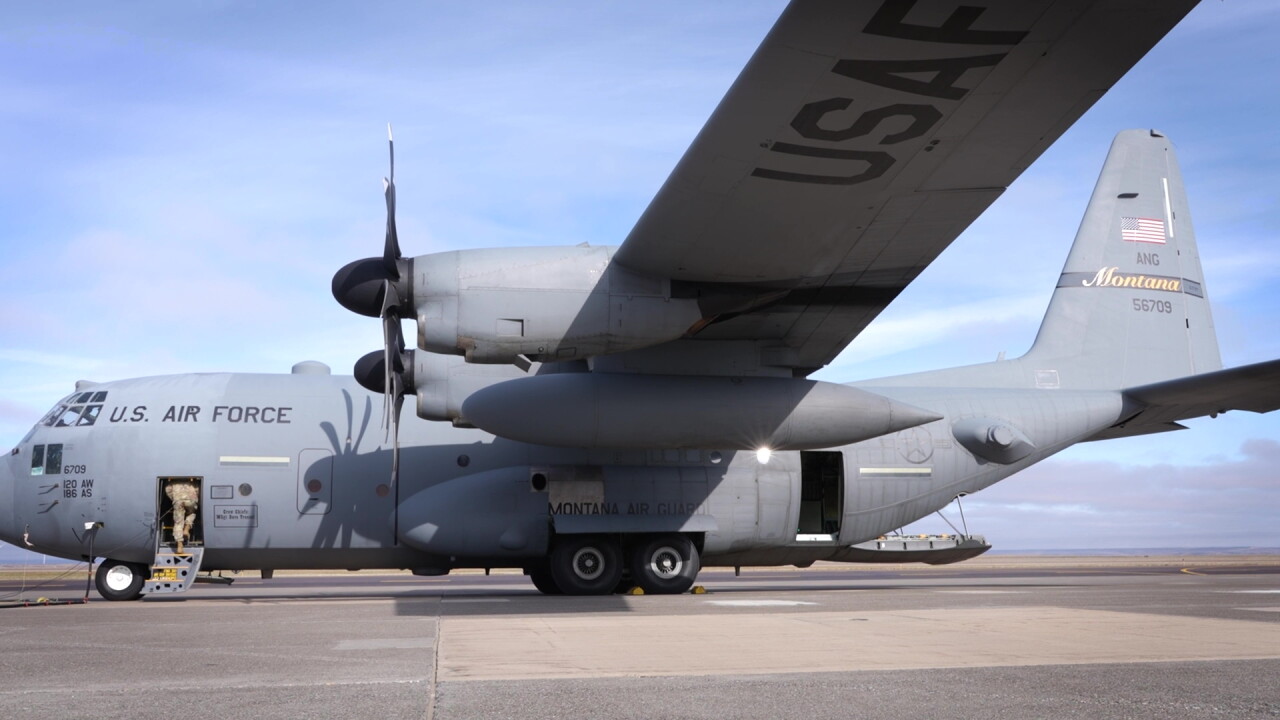


A new training site for the Montana National Guard is now officially in use, giving crews a closer, more efficient way to prepare for missions both in the state and beyond.
Madison Collier reports - watch the video here:
The Vigilante Drop Zone, located near Power, hosted its first operational demonstration Monday, April 6th, featuring two C-130 Hercules aircraft conducting a coordinated airdrop of multiple cargo bundles.
The demonstration marked the first use of the site since the Montana Legislature approved funding for its purchase during the 2025 session.
According to Guard leadership, the new drop zone is the result of years of coordination between military leaders, lawmakers, and landowners.
“This has been a long time coming,” leaders said during the event, noting previous efforts to find a suitable training location closer to Great Falls.
The site itself reflects a partnership with the community. The land was acquired by the state but will continue to be used for agricultural purposes through a lease-back agreement, allowing it to serve both as working farmland and a military training area.
That balance, leaders say, highlights how the Guard operates within Montana communities.
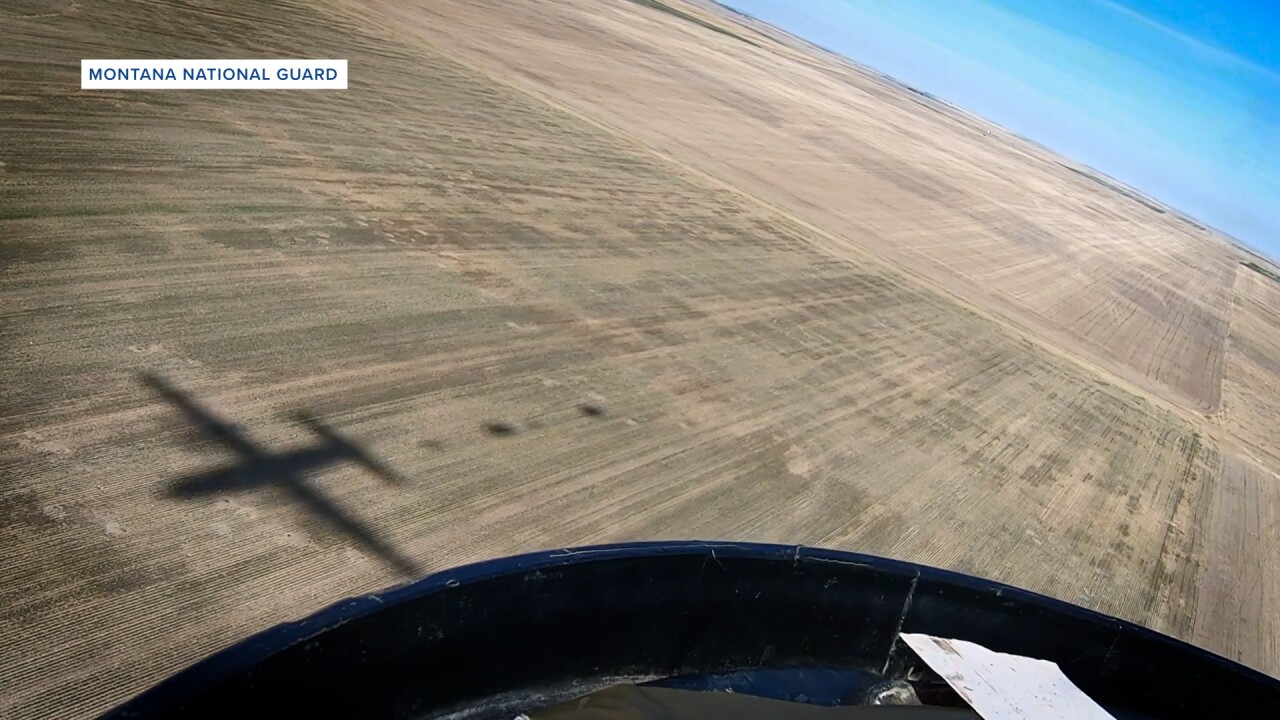
Before the Vigilante Drop Zone, many of these training missions required travel across the state, sometimes taking an entire day just to complete a single drop.
Now, Guard members can train just minutes from Great Falls.
“Training is all about readiness,” said Brigadier General Trent Gibson, the Adjutant General of Montana. “Our ability to train this close to Great Falls saves these guys a lot of time.”
That proximity allows crews to complete multiple training runs in a single day, something leaders say will significantly improve both efficiency and effectiveness.
Instead of spending hours traveling to and from distant drop zones, crews can focus on repetition; running several drops back-to-back in varying conditions, including nighttime and adverse weather.

“It all comes down to reps and sets,” Gibson said. “The more repetitions they get, it just increases their readiness.”
The training starts on the flightline, where cargo is loaded and crews prepare aircraft systems before takeoff.
Once in the air, every member of the crew plays a critical role in ensuring the drop is successful.
“As we’re flying into the drop zone, I’m thinking airspeed, altitude, course,” said Senior Airman Liam Flaherty, a C-130 flight engineer. “Making sure the pilot’s on his airspeed, on his altitude, on his course.”

That level of precision is necessary to deliver cargo into a designated area from thousands of feet above the ground.
The goal is to simulate real-world conditions where supplies must be delivered into areas without traditional airfields.
“The reason for these types of trainings is if anything real-world happens, we can resupply our friendly forces on the ground,” Flaherty said.
While aerial delivery is often associated with overseas operations, leaders say the capability is just as important here in Montana.
These same aircraft and crews are used during natural disasters and emergency response efforts… delivering critical supplies like food, water, and equipment to hard-to-reach areas.
“I want them to know that their Montana National Guard is ready,” Gibson said.
With its first successful demonstration complete, the Vigilante Drop Zone is expected to play a key role in future training for the 120th Airlift Wing.
Leaders say the site opens the door for expanded training opportunities, including more complex aerial delivery missions and potential joint exercises.
