


BROADVIEW — Temperatures pushing near 70 degrees in February may feel like an early taste of spring, but for Montana farmers and ranchers, the warmth is raising concerns about what could come next.
Watch the story below:
Much of the state has experienced a warmer-than-average winter with little snow, a pattern that agricultural producers say could threaten crops and strain already tight farm budgets if moisture does not return soon.
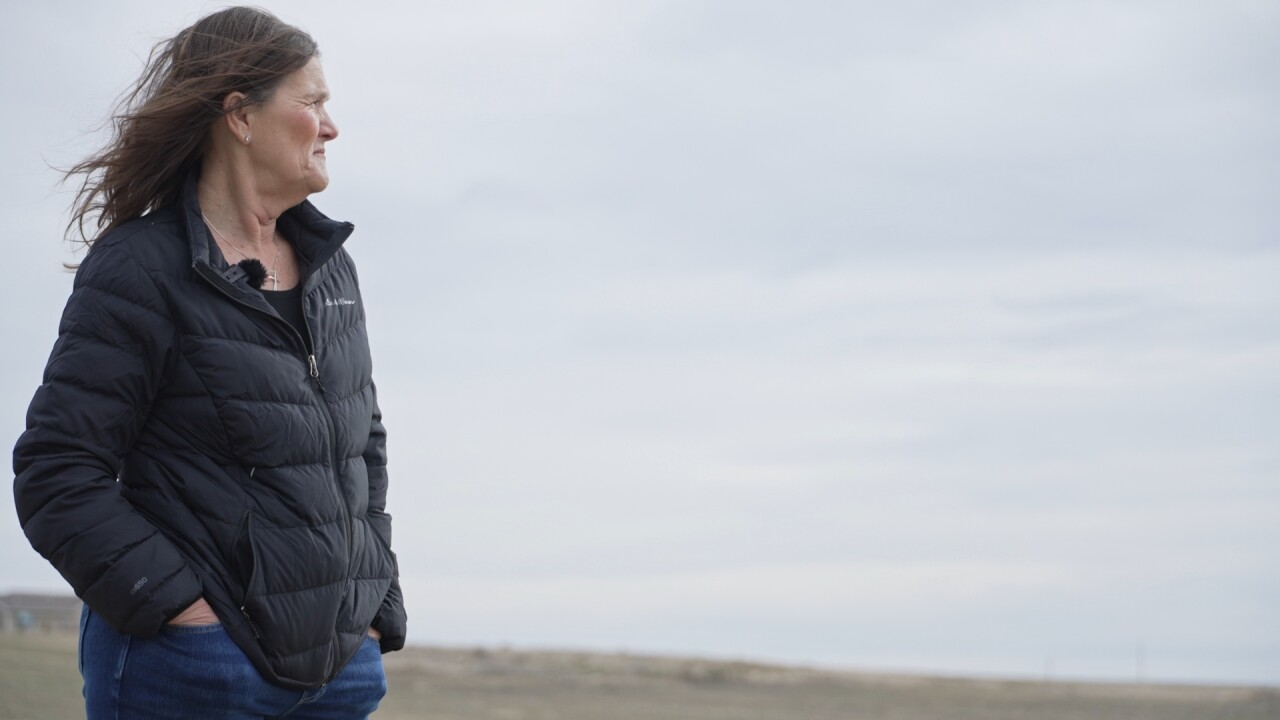
"We are so dependent on what Mother Nature gives us," said Denise Conover, whose family has farmed dryland wheat near Broadview since the 1940s.
Conover manages more than 7,500 acres of winter wheat, one of Montana’s most important crops. It relies heavily on winter snow and spring moisture.
"It's an insulator. It prevents erosion, but the spring storms and the snow are what gives us the moisture normally,” said Conover.
Last February, nearly a foot of snow covered her fields, which contributed to a record-breaking crop for the family. This year, the crop has grown in green weeks earlier than normal.
"The winter wheat's got a great stand on it, and it's almost like it's growing, which is a concern," said Conover. “This right here looks like it would be March ... We've never had temperatures like this.”
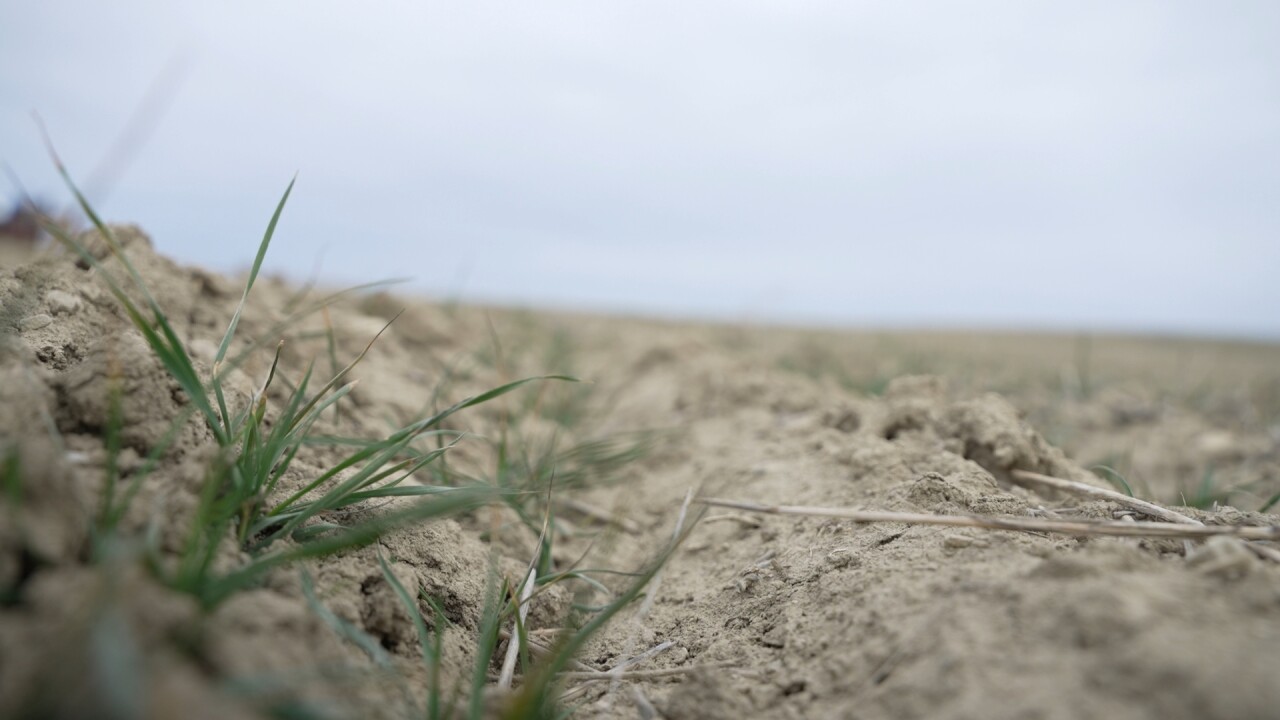
While green fields may appear healthy, Conover said early growth can leave crops vulnerable. Without snow cover, winter wheat is more susceptible to wind erosion, soil drying, and the risk of damage if temperatures suddenly plummet.
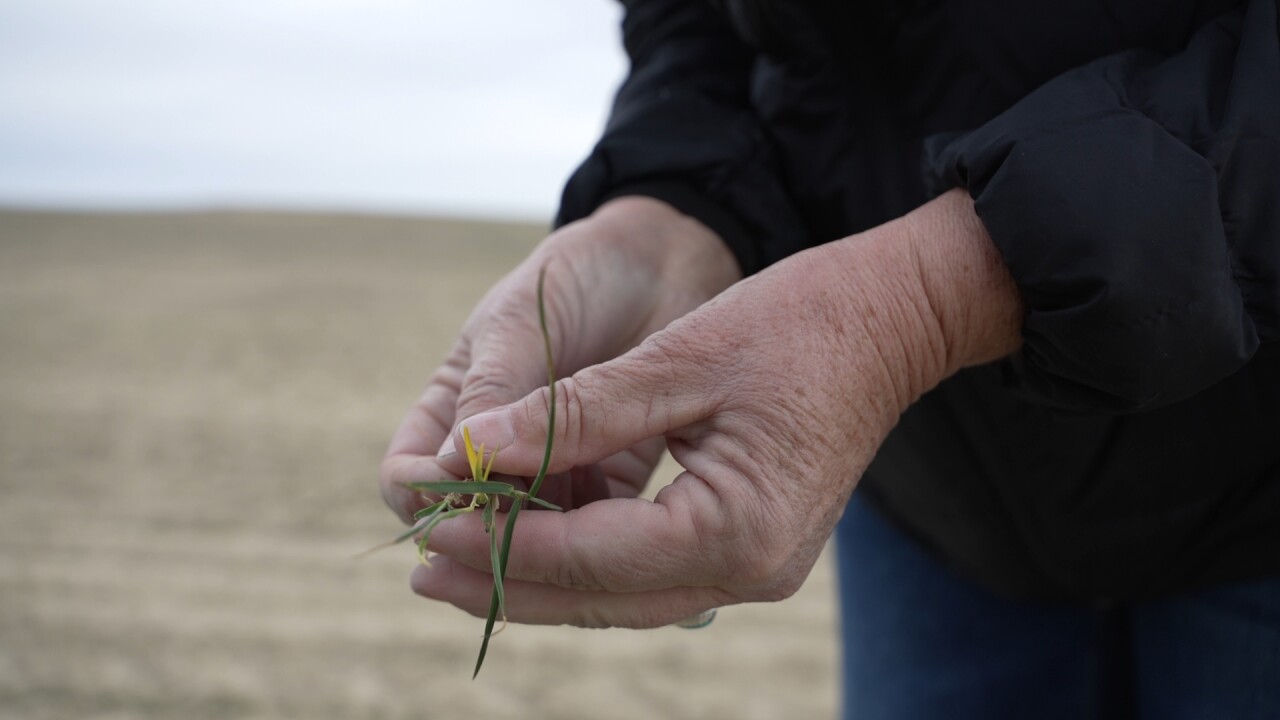
"We're going to have to have rain to have spring crop. If we don't get rain, it's going be hard to seed spring crop into this,” said Conover.
The warm winter is also adding pressure at a time when farm economics are already tight. Conover said wheat prices are hovering around $4.50 to $4.70 per bushel, while fertilizer, seed, and other input costs remain historically high.
"The problem is right now our inputs are so high. Fertilizer's high, the seed's high, and so we've got quite a bit of money into this crop already,” said Conover. "Winter wheat is the one that pays the bills at the end of the day.”
Francisco Gamboa Herrera, the Montana State University Extension agriculture agent for Yellowstone County in Billings, said many producers across the state are monitoring conditions closely, but are not yet panicking.
"I've been talking to some producers also, and at this time, they are not so worried about it because the wheat is pre-dormant still," Gamboa Herrera said. "The good scenario for them will be having some snow cover, and if freezing temperatures comes, the snow will isolate the ground."
Gamboa Herrera said he has fielded questions from growers and homeowners alike as trees, flowers, and plants have begun to bud unusually early. He advises them not to rush to act quite yet.

“Don't fertilize at this time, because fertilizing could be a stress and also could encourage some growth, and we need to keep dormant right now," said Gamboa Herrera. "My recommendation in pruning is just wait until March, wait until the normal."
He said colder temperatures could still help crops recover if they return.
“Snow from today is water for tomorrow, right? So it will be probably a dry year, and you have to work on drought management,” said Gamboa Herrera. "There's enough moisture on the ground, and the wheat plant can just get hardy again if really cold temperatures come.”
For now, he recommends farmers stick to their normal management plans, keep records of temperatures and growth, and continue monitoring soil moisture.
"Don't change anything right now," he said.
Despite the uncertainty, Conover remains hopeful for a good season.
“Be optimistic that things will change," she said. "We've got to look at the big picture and just do the best you can and pray for rain. It'll come.”
