

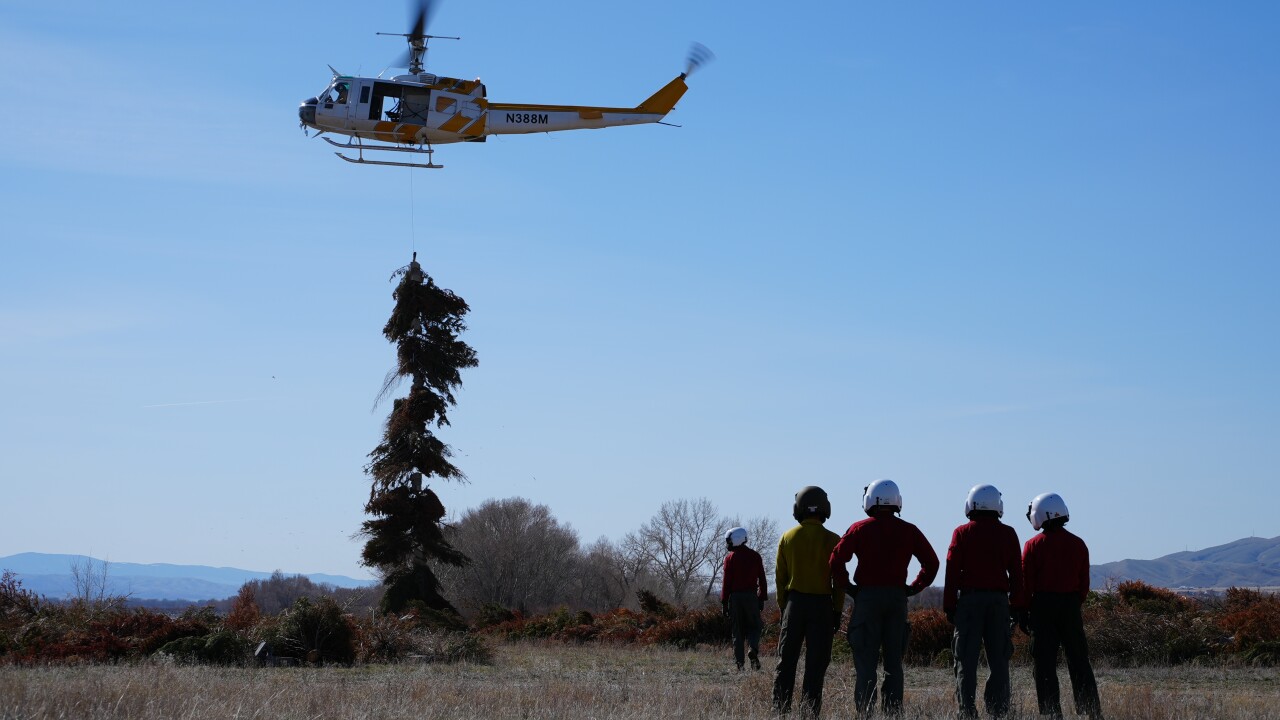


Every year, Montana Fish, Wildlife, and Parks partners with Montana’s Department of Natural Resources & Conservation to create habitats for some of the wildlife. While this work is designed to improve habitat for perch, it has impacts on the entire ecosystem at Canyon Ferry.
“It’s providing habitat out there for several species,” said FWP senior fisheries technician Troy Humphrey.
Evan Charney reports - watch the video here:
The ‘Pines for Perch’ program takes old Christmas trees and repurposes them into habitats for fish, by stringing them together with cinder blocks and dropping them into the lake.
Since Canyon Ferry is a reservoir that can change height, there’s little to no vegetation or weeds along the shore.
“There's very limited habitat as far as spawning areas or hiding cover for young of the year fish,” Humphrey said.
Bringing in these manmade habitats allows perch and other species to spawn more eggs or use the trees as cover for predators.
Perch are a food source for other fish in the lake, like trout and walleye, helping those fish grow larger… a benefit for wildlife and anglers.
Humprey says that while the perch population is holding its own, the numbers aren’t quite where they would like them to be.
While dropping the trees typically happens in mid-April, warmer water temperatures coming earlier this year sped up the timeline for when perch will start to spawn.
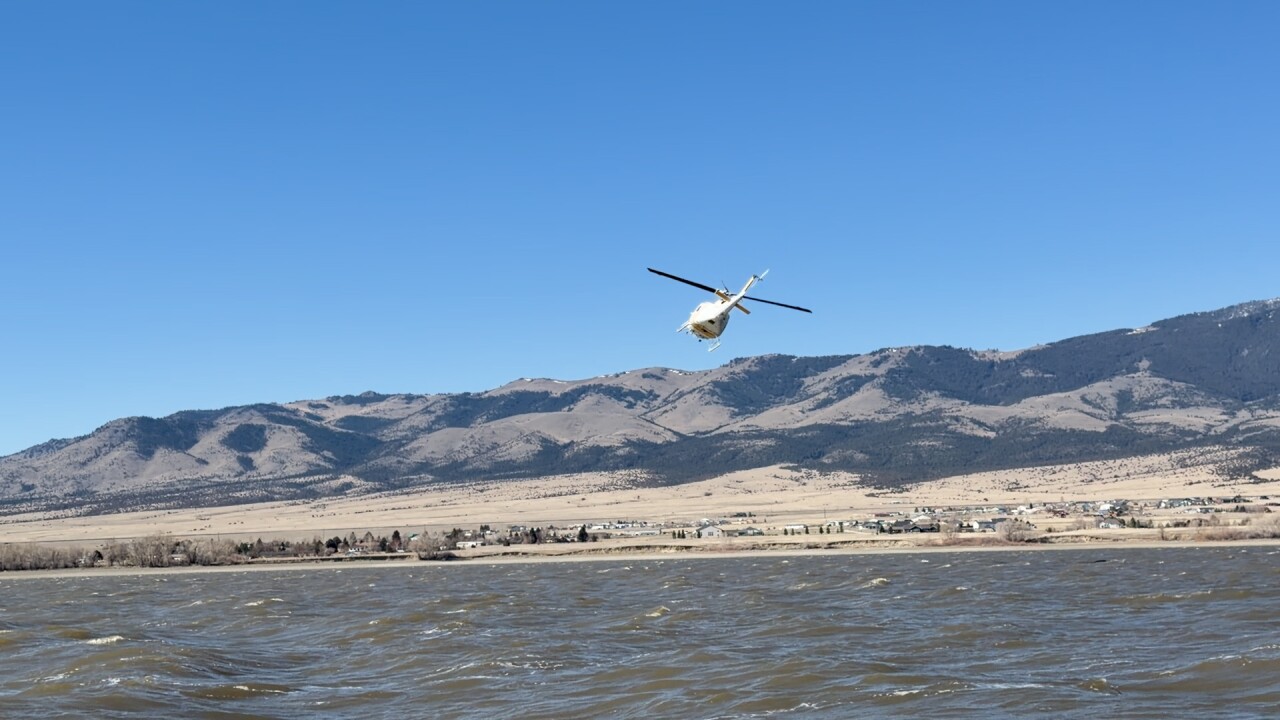
But the short turnaround hasn’t slowed anyone down…
“It's so efficient, and we got it dialed in,” Humphrey said. “You’ll see these pilots just, they got it figured out, and it's great to see them work.”
DNRC brought in two helicopters to carry the 29 loads of trees from the shore to the middle of the lake.
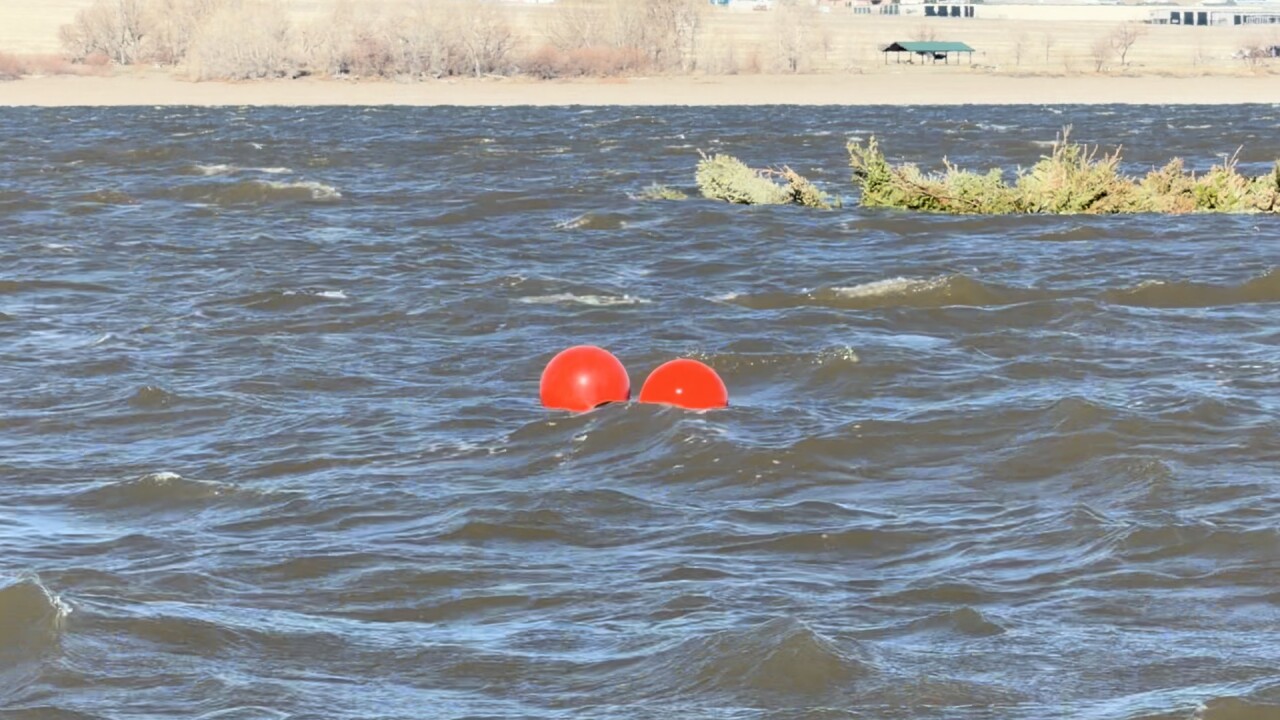
FWP uses GPS trackers to see where the older bundles live and buoys to mark where the new ones will go. Helicopter pilots have the route memorized, taking a similar path when using buckets to get water for fighting fires.
“They’ll stager, one will come in, hover over our guys, and they'll hook the load while it's hovering over them,” said DNRC area aviation officer Wade Hendricks, “and it flies out, it takes about a minute to fly out and drop it.”
Humphrey also noted that the program saw more tree donations than in previous years.
“This is just a great project, and I'm excited to keep going with it year after year.”
