



HELENA — This year, the St. Peter’s Health Foundation has raised $578,000 to support lifesaving care. The money will be used toward buying new equipment, including a new ambulance, as demand for emergency services continues to increase.
Madelyn Heath reports - watch the video here:
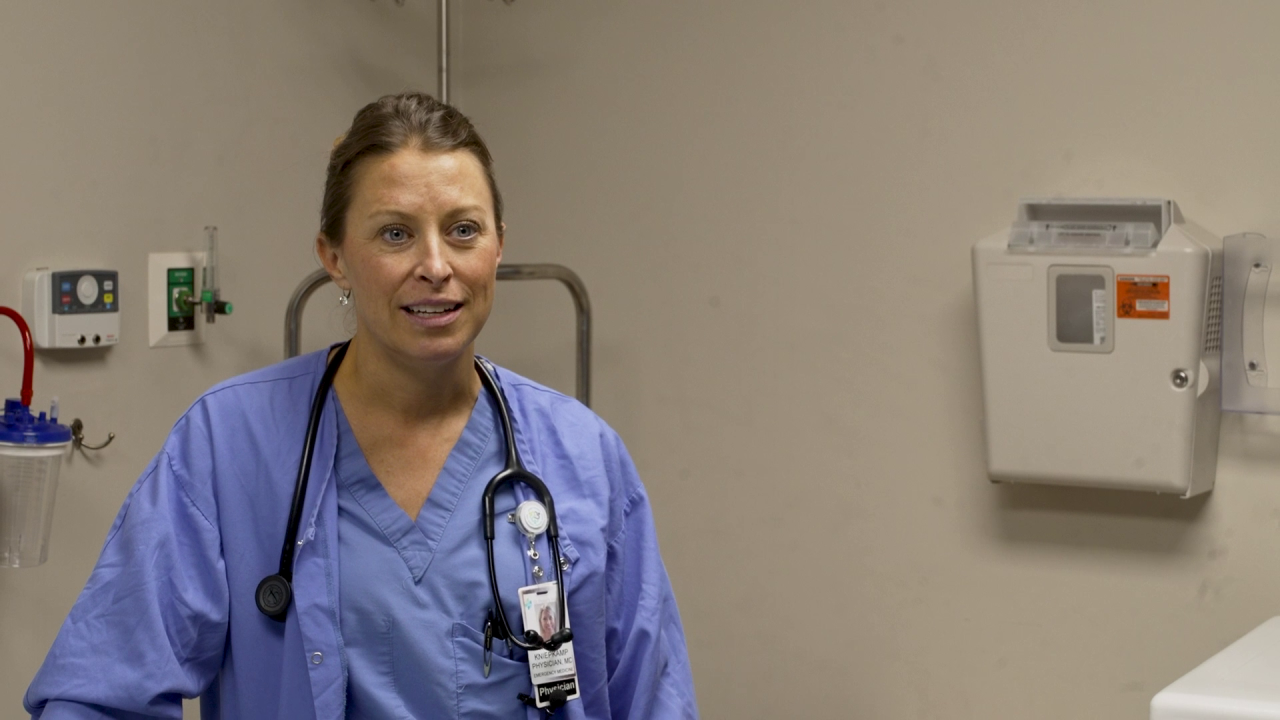
Dr. Tiffany Kniepkamp, the emergency department chair, said, “They are not just patients, they are our friends, our family, our neighbors, and so to get them here and be able to care for them and to provide support in this community is so important.”
In 2025, the St. Peter’s emergency department treated 26,000 patients ranging in age from just three days old to 102 years old. More than 2,600 of those patients were children.
“We are on an island here; there isn’t really help for many miles,” Chris Mulberry, the EMS Manager, said.
It’s not just the number of patients, it’s the size of the area they serve.
The healthcare system covers a five-county region larger than eight U.S. states, creating unique challenges when every second counts in an emergency.
To meet that demand, St. Peter’s operates 10 ambulances in a rotation, which together drove more than 1.3 million miles last year responding to calls and transporting patients, and soon another ambulance will join the fleet.

Mulberry said, “We are lucky in the way we take care of our fleet, we can maintain them because some of our vehicles are 10 years old, but it gets more difficult as they get older, more repairs in the downtimes.”
St. Peter’s says the numbers reflect a broader trend in rural America where growing populations and long travel distances are stretching emergency response systems thin.
“Just the expanse of geography we have to hit is huge, and sometimes it means delay in getting that higher level of care, and sometimes it means coordinating care between other hospitals so they are transferring resources to get them where they are needed quickly,” Dr. Kniepkamp shared.

In areas like ours, a single ambulance or piece of equipment can make a life-saving difference, especially when patients may be miles, or even hours, away from the nearest hospital.
“It is one of the special things about emergency services, and my role is being able to support the people who really do the front-line work, and people come into the emergency room and call our ambulance on their worst days,” Anne McCoy, the director of critical care and emergency services, said.
Healthcare officials say expanding resources and improving response times will be key to ensuring rural communities continue to receive critical care when they need it most.
“We are always looking for our next venture, so we are looking to replace another ambulance in the near future and a response vehicle,” McCoy said.
