

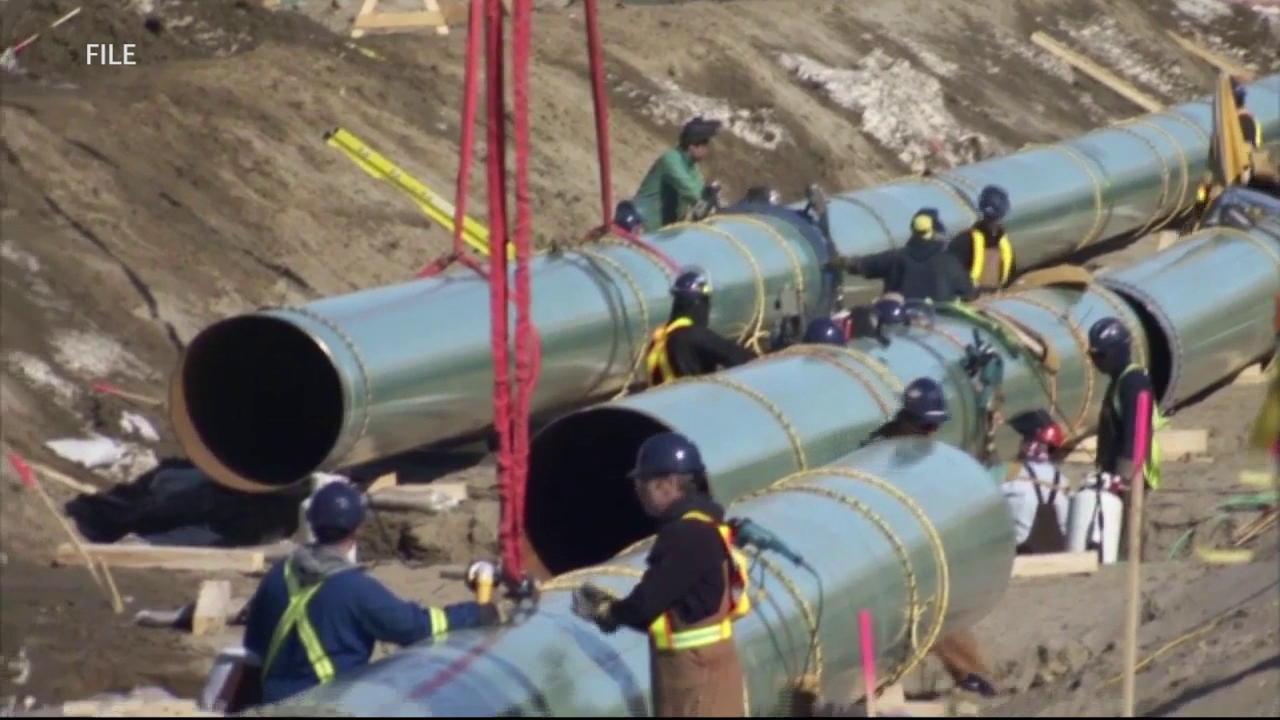


GREAT FALLS — A major new crude oil pipeline is being proposed in Montana, potentially reviving parts of the long-canceled Keystone XL project.
Bridger Pipeline Expansion LLC has submitted a project overview to the Montana Department of Environmental Quality outlining plans for a roughly 645-mile pipeline that would carry Canadian crude oil across eastern Montana into Wyoming.
Aneesa Coomer reports - watch the video here:
According to documents, the line would begin near the U.S.-Canada border in Phillips County and travel south through Valley, Daniels, Sheridan, Roosevelt, Richland, Wibaux, Fallon, and Carter counties before crossing into Wyoming and terminating near Guernsey.
The proposed pipeline would transport about 550,000 barrels of crude oil per day, making it smaller than the Keystone XL project. Developers say the route would largely follow existing pipeline corridors to minimize new land disturbance. The company also notes that steel and other materials originally purchased for Keystone XL could be reused as part of the new build.
The Keystone XL pipeline was canceled in 2021 after President Joe Biden revoked its cross-border permit, ending more than a decade of political and environmental debate. Critics of Keystone XL raised concerns about potential impacts to rivers, wetlands, wildlife habitat, tribal lands, and the climate, given the carbon intensity of oil sands crude.
Bridger outlines modern safety and environmental measures aimed at addressing some of those concerns. The project would include advanced monitoring and leak detection systems, mainline valves spaced along the route, and eight pump stations. Horizontal directional drilling is planned for major river and wetland crossings to reduce surface disturbance. The proposal also details temporary construction workspaces, access roads, and staging areas that would be reclaimed after construction.
DEQ says it has not yet received a formal application for the project, but Bridger has notified the agency that it intends to submit its Major Facility Siting Act application in the coming weeks.
Once that application is filed, DEQ will review it for completeness and identify any deficiencies within 30 days. If additional information is needed, the agency must notify the company within 15 days of any supplemental filings. If no deficiencies are found, DEQ will determine the application is complete and move forward with the permitting process.
During that review, DEQ and partner agencies will conduct a comprehensive environmental analysis. The agency said the process will include multiple opportunities for public review and comment. Public comment periods will be posted on DEQ’s website, and residents can sign up for email updates about new opportunities to participate.
An Environmental Impact Statement must be completed before DEQ can issue a final decision on the Major Facility Siting Act permit.
If approved, construction could begin as early as 2027.
